Special Needs Summer Camp Guides
Choosing the Right Camp for a Child with Diabetes

Choosing the Right Camp for a Child with Diabetes
In-depth decision guideUse the comparison table for a quick orientation, or explore the guide for detailed differences, decision factors, and questions to ask individual camps.
Many families of children with diabetes begin their camp search without realizing they may have more than one good option. Some camps are built specifically around diabetes. Others are organized around a different primary purpose.
One of the first questions families ask is whether a regular camp can safely support a child with diabetes. That question has to be answered first, because a camp that cannot manage diabetes safely is not a candidate at all.
But once a camp clears that bar, the real decision begins. A dedicated diabetes camp is organized around diabetes itself, weaving diabetes care, education, meals, activities, and friendships with other children living with diabetes throughout the program. Another camp is organized around something else: a traditional summer camp, a particular sport or art, a program designed around a different disability. It weaves diabetes support into that experience so a child with diabetes can take part fully.
If you are still deciding whether camp is the right step for your child, start with our post on the benefits of camp for children with special needs. For the broader framework that applies across all conditions, see our guide on how to choose a special needs camp. Already know what you’re looking for? Browse diabetes camps.
Camp Options for a Child with Diabetes
That difference goes well beyond medical staffing. It shapes the daily schedule, overnight care, and who a child spends the summer with. Camps that are not built around diabetes vary widely in how much of this they have already worked out, so the comparison below describes a range rather than a single kind of program. Each row ends with a first question to ask. The questions section later in this post picks up from the answers.
| Area | Dedicated diabetes camp | Other camps | A question to ask |
|---|---|---|---|
| Blood glucose monitoring | Care follows the camper, so activities are not interrupted | Monitoring away from the health center is planned in advance | What happens when my child is on a trail or at the waterfront? |
| Insulin and dosing authority | Staff adjust within agreed protocols as the day changes | The home care plan sets who may change a dose | Can your staff adjust a dose, or does every change come back to us? |
| Meals and carbohydrate counting | The kitchen is part of diabetes care | The kitchen and health center coordinate camper by camper | Can the kitchen give reliable carbohydrate counts? |
| Physical activity | Activities are planned around what exertion does to blood sugar | Activity plans stay the same; diabetes support is arranged around them | Is fast-acting glucose at the activity site, or only at the health center? |
| Overnight care | Diabetes care continues through the night, handled by staff | Overnight arrangements are made camper by camper | Is a staff member responsible overnight, or is my child managing on their own? |
| Peer environment | Managing diabetes is part of everyday camp life | A child may be one of a few, or the only one | How many other campers usually have diabetes, and how do you handle it if a child is the only one? |
Families rarely weigh these six equally. Which ones matter most depends on how independently your child manages diabetes now, and on what you want camp to be about. Clinical factors carry weight too, particularly overnight needs and whether your child reliably recognizes a low. The answer usually comes from how the six fit together, not from any one of them.
We begin with dedicated diabetes camps because they show what a program built around diabetes typically looks like. That provides a benchmark for evaluating camps where diabetes is one part of a broader program.
What a Dedicated Diabetes Camp Does Differently
Many dedicated diabetes camps aim to do more than keep campers safe. The program is built to help children become more capable of managing diabetes on their own, with expectations that adjust to age and experience. The American Diabetes Association takes the same view of camp settings, recommending that children be supported and supervised as they become ready to take ownership of their diabetes management, and noting that the right level of self-management and adult support differs for every child. That purpose shapes how blood sugar is monitored, how meals are handled, and who is awake at two in the morning.
Blood Glucose Monitoring at a Dedicated Diabetes Camp
Monitoring goes wherever the camper goes, so a child can stay in the activity while it happens.
How much of that monitoring the camper handles themselves depends on their age and experience. Younger or newly diagnosed campers may receive frequent reminders and direct assistance, while older campers may be expected to take an increasingly active role, with staff nearby to check in and step in when needed. Blood glucose is monitored throughout the day using the child’s existing management approach, whether that involves a continuous glucose monitor, fingerstick checks, or both. The program is designed so counselors can recognize when a camper may be experiencing a high or a low during an activity and respond appropriately.
The practical effect is less time worrying about blood sugar and more time participating in camp.
Insulin Administration and Dosing Authority at a Dedicated Diabetes Camp
The medical staff can adjust insulin within agreed protocols as the day changes, so a child’s care keeps pace with camp without a call home for every change.
The medical team works with the full range of diabetes management approaches campers arrive with, including multiple daily injections, pump therapy, and hybrid closed-loop systems. They know how activity, heat, excitement, and schedule changes affect insulin needs, because they manage those variables for an entire cabin full of children with diabetes every day. For older or more experienced campers, that management may involve coaching the camper through dosing decisions rather than making every decision for them.
For the general framework on medication management at camp, including what to ask and what to prepare, see our post on managing medications at special needs camp.
Meals and Carbohydrate Counting at a Dedicated Diabetes Camp
The kitchen is part of the diabetes care system, so a child can eat what everyone else is eating and still dose accurately for it.
Meals are planned with carbohydrate information readily available. Dining staff and health staff communicate directly so that insulin dosing aligns with what the child is actually eating. Snack timing is coordinated with the day’s activities rather than left to chance.
Camp meals are less predictable than meals at home. Children eat different foods, change their minds, and burn more energy than usual.
For the child, that can make dosing a routine part of mealtime rather than the event itself. For many campers, learning to estimate carbohydrates, make dosing decisions, and handle meals confidently is one of the most practical skills they bring home from camp.
Physical Activity and Blood Sugar Management at a Dedicated Diabetes Camp
Activities are planned around what exertion, heat, and water do to blood sugar, so the management happens before the hike rather than in response to it.
Staff are prepared to check glucose before a hike starts, carry fast-acting glucose on the trail, and adjust plans if a camper’s blood sugar begins to rise or fall unexpectedly. Swimming is planned with the understanding that some diabetes devices may need to be disconnected, that CGM signals may be interrupted during water activity, and that water and physical activity can change blood sugar rapidly. Older campers may learn to anticipate how different activities affect their blood sugar and begin making adjustments themselves, with staff available to guide them.
Overnight Care at a Dedicated Diabetes Camp
Care does not stop at lights-out, so the night is handled by staff rather than left to the child.
Blood glucose checks are a routine part of care at many dedicated diabetes camps. Who does them, how often they occur, and what triggers intervention are worth asking directly.
The same design covers the situations that do not resolve on their own. A severe low overnight calls for someone who is trained to recognize it and authorized to treat it. At a dedicated diabetes camp, that capability is built into the program. Ask where emergency glucagon is stored, who is trained to administer it, and how quickly that person can reach a cabin. The answers should come readily, because these are situations the program has planned for rather than improvised around.
Peer Environment at a Dedicated Diabetes Camp
Every child in the cabin is living with diabetes, so diabetes becomes an ordinary part of camp life.
Nobody is the only one checking blood sugar before lunch. Nobody has to explain why they need a snack during an activity or why they are wearing a device on their arm. For a child who has spent years feeling different at school or in other group settings, it can be the first time diabetes feels ordinary rather than something that sets them apart.
What Other Camps Need to Get Right
Camps that are not organized around diabetes are not all alike. An established special needs program with experienced nursing staff and individualized care plans may already have much of what a child with diabetes needs. A mainstream recreation camp that has never managed a camper on an insulin pump is a different situation. Some camps are also willing to accept a child with diabetes without having built the systems needed to support them safely. A willingness to enroll a camper is not the same as the ability to support them.
Many camps that are not built around diabetes can be an excellent choice. The question is whether the camp’s preparation matches your child’s needs.
Blood Glucose Monitoring at Other Camps
At a camp where diabetes is one of several conditions the health staff manage, monitoring has to work when a child is nowhere near the health center, so what happens away from it gets decided in advance.
The health center develops a monitoring plan before camp begins and shares it with the counselors who will be with the child during activities. What varies most across programs is how monitoring is handled when the child is away from the health center, on a trail, at the waterfront, or on an off-site trip.
A camp that expects the child to handle blood glucose checks with little staff involvement may be appropriate for an experienced teenager but not for a younger child or someone who has been diagnosed more recently.
Insulin Administration and Dosing Authority at Other Camps
At a camp that has supported campers with diabetes before, insulin follows the child’s existing care plan, and the camp understands both what it can manage independently and when additional medical guidance is needed.
The health staff should have an established process for managing insulin safely throughout the session. One important question is whether anyone on the medical staff has experience with the type of diabetes management your child uses. A nurse who has managed pump therapy before brings experience that may be especially relevant for a child who uses a pump.
If a child’s blood sugar is running high after a day of unusual activity, does the camp call the parent every time, or is there a standing protocol from the child’s endocrinologist?
Meals and Carbohydrate Counting at Other Camps
At a traditional summer camp, the dining hall serves the camp’s regular menu, and the challenge is giving a child a reliable way to match insulin to what is being served.
Camps with experience supporting children with diabetes typically establish a way for the kitchen and health center to communicate before the session begins. Some camps provide carbohydrate information for menu items. Others have the health staff review each meal with the child before they eat.
A buffet-style dining hall without carbohydrate labeling presents a different challenge than meals with published nutritional information.
Physical Activity and Blood Sugar Management at Other Camps
At a camp built around a specific activity or interest, the activity is the point, and the diabetes planning exists so a child can do all of it.
That planning includes counselors who know to check in before and after high-exertion activities, and clear communication between activity leaders and the health center. It also includes a decision about where fast-acting glucose is kept: at the activity site, or only back at the health center. A camp with less experience may need to work more closely with the family to build those procedures before camp begins.
Overnight Care at Other Camps
At a camp where diabetes support is added to an existing program, overnight monitoring is not a standard practice because most campers do not need it, so whatever a child needs has to be arranged before the session starts.
Camps that have managed children with diabetes before may have an established process, which could involve a counselor trained to respond to CGM alarms, an overnight health center check at a set time, or an on-call nurse who can reach the cabin within minutes.
The American Diabetes Association’s position is that non-medical camp staff should be trained to provide emergency care, including glucagon administration, for the times when a licensed health professional is not available. A camp that has planned for severe overnight lows can name who is trained, where the glucagon is kept, and how long it takes to reach a cabin at night. A camp that has not will usually say the health center handles it, which is not the same answer. For some children, particularly those with hypoglycemia unawareness or a history of severe overnight lows, the camp’s overnight support may be the deciding factor. For others whose CGM and pump system manage overnight blood sugar reliably, the camp’s overnight arrangements may be entirely adequate.
Peer Environment at Other Camps
At a camp built around something other than diabetes, whether the program serves another disability or no disability at all, a child may be one of only a few campers managing the condition, or the only one, and whether that matters depends on the child.
Some children don’t want to be defined by their diabetes and are happiest at a camp where diabetes is a private medical detail rather than a shared identity. Others find it isolating to be the only one who has to leave an activity to check blood sugar or who cannot eat the same snack as everyone else without calculating first.
A camp cannot arrange who else enrolls. It can decide how a camper’s diabetes is handled in front of everyone else, and that decision is worth asking about, because it rarely appears in program materials. A camp that has thought about this will have something specific to describe. A camp that has not may be perfectly safe and still leave a child feeling conspicuous.
The question is not which peer environment is objectively better. It is which one will allow this particular child to have the best camp experience.
Which Option Fits Your Child
There is no universally right answer. The right choice depends on where the child is right now in managing their diabetes, not on a permanent judgment about what kind of camp is superior. For some families, the most important question is whether camp can help their child, and the family, become more confident that diabetes can be managed independently over time. For others, the priority is a camp experience built around something the child loves, with diabetes managed safely in the background. Both are legitimate reasons to choose a camp, and the right answer depends on what your family needs right now.
Your Child’s Current Needs and Goals
A child who was diagnosed recently and is still learning to manage blood sugar, count carbohydrates, and recognize how activity affects their levels may benefit most from a dedicated program where those skills are supported and developed throughout the camp experience. The medical support can help the child focus less on managing every detail independently and more on enjoying camp. The peer community provides a social context where diabetes is ordinary rather than exceptional.
A child who has been managing diabetes for several years, is comfortable with their pump or injection routine, and wants to spend the summer doing something they love, whether that is rock climbing, music, robotics, or horseback riding, may be better served by a camp with strong medical protocols that is not built around diabetes. For that child, the program is the point, and diabetes is something the camp needs to manage well, not the reason the child is there.
Other Factors That Shape the Decision
Type 2 Diabetes
For a child with Type 2 diabetes, one question shapes how the rest of this guide applies: does the program have experience supporting children who manage diabetes the way your child does? Many dedicated diabetes camps are designed primarily around Type 1 diabetes, while others have experience supporting children with both. If your child uses insulin or relies on adults for daily management, most of the questions in this guide apply directly. If your child manages without insulin and handles the daily routine confidently, either kind of camp can work, and the decision turns on the same things it does for any other family. It is worth asking a dedicated program how many of its campers manage diabetes without insulin, because the shared experience that draws many families to those camps may look different for a child who manages diabetes differently from most other campers.
Age
Age matters, but not in a simple way. Younger children generally need more clinical support, which often favors a dedicated program, and many dedicated diabetes camps welcome children as young as six or seven with staffing ratios adjusted accordingly. But a younger child who is confident and independent about their care may thrive at a camp that is not built around diabetes but has an attentive health staff. For children who are very young or recently diagnosed, a day program or a shorter session is often a practical way to begin. What matters most is how independently the child manages diabetes, not age alone. Our post on day camp vs. overnight camp for children with disabilities looks more closely at that choice.
Hypoglycemia Unawareness
A child who does not reliably feel low blood sugar cannot be expected to wake to a CGM alarm or recognize a drop during an activity. That places much greater importance on what a camp can do overnight and during high-exertion activities. For families in that situation, the depth of a camp’s overnight support may weigh more heavily than almost any other consideration.
Cost
Families sometimes assume that a dedicated diabetes camp will be more expensive than other camp options, but that is not necessarily the case. Many are operated by nonprofit organizations or diabetes foundations and offer scholarships or financial assistance based on need. Before ruling out a dedicated diabetes camp because of cost, ask what financial assistance may be available.
When Factors Conflict
A confident thirteen-year-old who has managed a pump for years may look ready for a camp built around an interest, right up until hypoglycemia unawareness enters the picture. When considerations conflict like that, the more cautious one usually governs the first season, because a family can always loosen the arrangement next year once they have seen how a summer goes.
The Decision Can Change
Many families move from one type of camp to another as a child’s needs and the family’s confidence change. A child who starts at a dedicated diabetes camp and builds confidence over several summers may be ready for a program centered on something they love, with diabetes managed safely in the background. A child who attended a camp that was not built around diabetes and found they needed more day-to-day diabetes support may benefit from a season at a dedicated program.
Many children return to the same camp year after year because of the friendships, traditions, and sense of community they find there, and those are good reasons to stay with a camp that continues to fit. It is still worth asking from time to time whether it does. Parents’ comfort often evolves alongside a child’s independence, and what was the right choice one summer may not be the right choice a few years later. Revisiting the decision is not a sign the original choice was wrong. It is often exactly what growing up with diabetes looks like.
Questions to Ask Before Enrolling
The comparison above gives you one question for each area. These are the follow-up questions: the ones that help you understand what a camp’s first answer actually means. The conversation looks different depending on whether you are evaluating a dedicated diabetes camp or a camp organized around something else.
For a Dedicated Diabetes Camp
The most useful questions often focus on medical authority, overnight coverage, device contingencies, and how much responsibility the camp expects your child to take on.
Insulin and Dosing Authority
- Are endocrinologists or certified diabetes educators involved in the medical oversight?
- What decisions can the camp’s medical staff make on their own, and what prompts a call home or consultation with your child’s endocrinologist?
Overnight Care
- Who checks blood sugar during the night, and how often?
- What blood sugar levels trigger intervention, and what does intervention look like in the middle of the night?
- What is the camper-to-nurse ratio, and does it change overnight?
- If the person trained to give glucagon is not in the cabin, who is with the child until they arrive?
Pumps and CGMs
- What happens if a pump fails or a CGM sensor is dislodged during the session?
- What backup supplies does the camp keep on hand, and what should the family send?
Self-Management and Independence
- How does the camp decide what a child should manage independently and where staff should step in?
- How does that responsibility change with the child’s age, experience, or readiness?
For a Camp That Is Not Built Around Diabetes
The most useful questions focus on how diabetes support works in practice, especially when your child is away from the health center or needs help the camp does not routinely provide.
Blood Glucose Monitoring
- How much of the monitoring is your child expected to handle independently, and do staff provide reminders or assistance?
- Who carries the meter or watches the CGM when your child is on a trail, at the waterfront, or off site?
Insulin and Dosing Authority
- Who is authorized to administer insulin, and what training has that person received?
- Who can decide when an insulin dose needs to change?
- Does anyone on the medical staff have experience managing children with diabetes at camp, not only in a clinical setting?
- Has the camp managed a child on a pump before?
If the answer to that last question is no, it is not necessarily disqualifying, but expect to help build the plan rather than rely on an existing one.
Pumps and CGMs
- Does the camp have a plan for a pump failure or a dislodged sensor, or would that plan be built with your family before the session?
- Where are backup supplies kept, and who has access to them outside health center hours?
Meals and Carbohydrate Counting
- Do the dining staff communicate with the health center, and how is snack availability managed between meals?
If the camp can provide reliable carbohydrate counts, ask:
- How does that information reach your child, and when?
- What happens when the menu changes?
- How are seconds and substitutions handled?
If the camp cannot provide reliable counts, ask:
- How is your child expected to dose for a meal they did not plan and cannot accurately count?
- Who helps make that decision, and are they available at every meal?
Physical Activity and Blood Sugar
- Does the counselor leading a hike know your child has diabetes, or only the health center?
- Who is responsible for monitoring during a day hike or a field trip?
- What happens if the group is an hour from camp when a problem develops?
- What happens if your child’s blood sugar drops during swimming?
Overnight Care
If a staff member is responsible overnight, ask:
- Who responds first, and are they in the cabin or elsewhere on the property?
- Is the health center staffed overnight or on call?
If your child is expected to manage overnight independently, ask:
- What happens if a CGM alarm sounds and your child does not wake up?
- Has a counselor been trained to respond, or does everything route through the health center?
Ask separately about severe lows.
- Who is trained to treat a severe low overnight, and how quickly can they reach a cabin?
Peer Environment
- How is a camper’s diabetes handled in front of the rest of the cabin, at meals and during activities?
- If a child has been the only camper with diabetes in a session, what did their day-to-day diabetes management look like?
How to Recognize a Well-Prepared Camp
A well-prepared camp should be comfortable answering detailed questions about diabetes management. Clear, specific answers are usually a sign that the camp has already thought through these situations before your child arrives. A camp that responds to detailed medical questions with general reassurance rather than a clear plan should give families pause. “We love all our campers” is not a diabetes management plan. “We have had diabetic campers before” does not tell you how the camp will care for your child. Expect to hear names, roles, written procedures, and the training behind them. If the director cannot provide them, the camp may not be the right fit for your child, regardless of how welcoming the conversation feels.
Finding Diabetes Camps on VerySpecialCamps.com
As part of developing this guide, we reviewed diabetes listings across the VerySpecialCamps.com directory. Among 119 listings indicating they can support campers with diabetes, we identified about 20 programs where diabetes appears to play a central role in the camp experience. This observation reflects our editorial review process, which combines structured analysis of camp listings with editorial judgment rather than relying on any single field or self-selected designation.
Once you know what you are looking for, the directory becomes much easier to use. The VerySpecialCamps.com directory lists diabetes camps alongside all other special needs camp programs, searchable by state, program format, and condition type. The diabetes camps directory page is the most direct starting point for families who have decided which approach is the better fit for their child and are ready to identify specific programs.
The directory distinguishes between programs where diabetes is the primary focus, a significant focus, or one of many conditions supported. Families can use that distinction as one clue when comparing programs, while the questions above help determine what that support looks like in practice.
Look for the right kind of program first, then narrow by location. A dedicated diabetes camp two states away may be a better fit than a camp across town if the child’s needs call for a more specialized program.
Browse the full directory at VerySpecialCamps.com.
Camp directors operating diabetes programs that are not yet listed on VerySpecialCamps.com can visit the VerySpecialCamps.com director listing page to add or update a listing.
This post is part of the Choosing a Special Needs Camp guide on VerySpecialCamps.com.
Frequently Asked Questions
What is the difference between a camp that accepts children with diabetes and a camp designed for children with diabetes?
A camp that accepts children with diabetes has agreed to enroll them. A camp designed for them has built its staffing, schedule, meals, and activities around managing diabetes as part of what the camp does every day. The distinction often matters most for children who are not yet independently managing their condition, because the depth of built-in medical support is fundamentally different.
Can a child with an insulin pump attend a camp that is not built around diabetes?
Yes. Pump use by itself does not require a dedicated diabetes camp. What matters is whether the camp has managed a pump before and can say who handles site changes, who troubleshoots a problem during the day, and what happens if the pump fails overnight. A camp without that experience can still be a good fit, but the family should expect to help build the plan rather than rely on an existing one.
What if my child’s CGM depends on a smartphone?
This is worth raising early, because a camp with excellent diabetes care may still have a phone policy that changes how your family’s system works. Ask whether the phone stays with the camper, whether the camp restricts phones generally, where the phone is kept during activities and overnight, and what the plan is if the phone is unavailable or the connection drops. Ask separately whether the camp allows families to follow CGM data remotely during the session, since policies on that vary and are not always the same as the general phone policy.
Where are diabetes supplies kept during camp?
Diabetes supplies may be kept in more than one place, depending on how quickly they may be needed and where the camper will be. Fast-acting glucose or emergency supplies may need to be accessible during activities or overnight rather than only in the health center. Ask where meter or sensor supplies, fast-acting glucose, backup insulin, and emergency glucagon are kept; who has access to them; what happens on an off-site trip; and how much backup the camp expects the family to send.
How do I know which type of camp is the better fit for my child right now?
The decision usually turns on how independently your child currently manages diabetes and on what you want camp to accomplish. A child who was diagnosed recently, or who still relies on adults for dosing decisions and carbohydrate counting, is more likely to find that support built into a dedicated diabetes camp. A child who manages a pump or injection routine confidently and wants a summer built around a particular interest may be well served by a camp with strong medical protocols that is organized around something else. The answer can change from one summer to the next, and many families move between the two as a child’s independence grows.
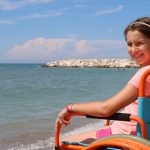
Choosing the Right Camp for a Child with a Physical Disability
When a child needs physical support at camp, finding the right program is often less straightforward than families expect. Searching by diagnosis is a natural place to begin, but many camps describe themselves through accessibility, adaptive equipment, and personal care rather than through any diagnosis. Understanding that difference can completely change which camps you find.
This guide covers the physical support side of choosing a camp: access to buildings and activities, transfers, personal care, adaptive equipment, and the staffing that makes those things work. The questions are organized around what a child needs rather than what a child has been diagnosed with.
Why Searching by Diagnosis or Condition Misses Many Camp Options
When you search for a camp using a diagnosis or condition name, the first results tend to represent one branch of what is available: programs run by hospitals, rehabilitation institutes, or national condition organizations. These programs are often supported by the organizations behind them. They are frequently offered as shorter sessions, some are subsidized or free, and many require eligibility documentation tied to the diagnosis. For some families, they are exactly the right fit. They are simply not the only camps that may be a good fit.
Beyond those programs, many camps describe themselves through accessibility and adaptive programming rather than through any diagnosis or condition name. Their listings and websites talk about accessible cabins, adaptive recreation, personal care, and barrier-free facilities. A family searching by diagnosis or condition may never encounter them, because those are not the terms these programs typically use.
The reason is straightforward. Building an accessible route to the waterfront, installing a roll-in shower, buying adaptive equipment, and training staff to perform transfers safely are expensive and permanent investments. Once a camp has made those investments, they can support campers with cerebral palsy, spina bifida, muscular dystrophy, multiple sclerosis, and many other physical disabilities. A camp with those investments often has little reason to organize itself around any single condition, because they serve whoever needs them, regardless of diagnosis.
It also affects what happens when you contact a camp. A diagnosis alone tells a camp director far less than it might seem. Two campers with the same diagnosis can have almost nothing in common when it comes to the support they need: one walks independently and needs no personal care, another uses a power chair, requires a two-person transfer, and needs assistance with bathing and dressing. What gets you a useful answer is describing what your child actually needs done.
Before You Call a Camp, Describe These Five Things
These are the five areas every camp should be able to discuss clearly.
- Mobility level and equipment used. Whether your child uses a power chair, a manual chair, a walker, braces, or no equipment at all.
- Transfer requirements. Whether your child transfers independently, with one person assisting, with two people, or with a mechanical lift.
- Toileting, bathing, and dressing support. Stated as tasks that need doing and who currently does them, rather than as a general level of independence.
- Feeding assistance and positioning at meals. Whether your child needs help eating, requires specific seating or positioning to eat safely, or uses adaptive utensils.
- Endurance, heat tolerance, and pacing. How your child’s energy changes across a full camp day, whether scheduled rest breaks are needed, and how heat affects participation.
Every question in the sections that follow comes back to one of those five areas. If you have them written down, you’ll spend less time explaining your child and more time learning whether the camp is a good fit.
Families beginning this search may also want to read How to Choose a Special Needs Camp, which covers the evaluation questions that apply regardless of the reason a child needs support.
Physical Access: What to Verify Rather Than Assume
Physical access is one of the few parts of this decision where many questions have objective answers. A camp either has a roll-in shower or it does not. But accessible facilities do not always translate into meaningful participation.
A facility can meet an accessibility standard and still be unable to get your child to the lake. Accessibility standards establish minimum requirements for the built environment. They do not describe whether the path from the cabin to the waterfront is passable in a power chair after rain, whether the shower has a chair that fits your child, or whether anyone on staff can help your child use it. Verify how those features work in everyday camp life:
- Route continuity. Ask about the complete route your child would use throughout a typical camp day, including the path from the cabin to the dining hall, to the waterfront, to activity areas, and to the restrooms your child would actually use. A route is only as accessible as its least accessible segment.
- Bathing and toileting facilities. Ask whether there is a roll-in shower and where it is relative to the cabin your child would sleep in. Ask whether a shower chair is available and what size. Ask about grab bar placement and doorway width, since a doorway that admits a manual chair may not admit a power chair.
- Cabin interior. Ask how a camper gets into a bunk, whether there is floor space to turn a chair, and where power equipment is charged overnight. Charging is easy to forget until the first night.
- Terrain and surface. Ask what the paths are made of, how steep the site is, and how far apart the activity areas sit. Gravel, grass, and distance defeat more campers than stairs do.
The clearest answers come from specific examples, not general assurances. Ask what a camper using similar equipment did last season. For a picture of what a typical camp day might look like, What to Expect at Special Needs Camp describes how the day is typically structured.
Transfers and Personal Care: Who Provides It and How They Are Trained
For families whose child needs substantial physical support, this is usually the section that decides everything. A camp can have every ramp and still be unable to serve your child if nobody there can safely lift them or help them shower.
Transfers and Mobility Support
- Two-person protocol. Ask whether the camp has a two-person transfer protocol and when it is used. If transfers are routinely performed by one staff member, ask how the camp determines when additional assistance is needed.
- Mechanical lift. Ask whether a lift is on site, where it is located, and who is trained to operate it. Ask whether it is available wherever your child may need transfers throughout the camp day, including the cabins, pool, waterfront, and activity areas. Ask how many staff members are trained to operate it and whether at least one is available whenever it might be needed.
- Continuity across settings. Ask whether the same trained staff handle transfers in the cabin, at the waterfront, at the pool, and during activities, or whether coverage varies by location and time of day. Consistent transfer support across settings helps ensure your child can participate throughout the camp day.
Personal Care and Daily Support
- Who provides it. Ask whether personal care is provided by staff assigned to your child, shared across a cabin group, or expected to come from an attendant the family supplies. A shared arrangement may be entirely adequate for a camper who needs occasional help and inadequate for a camper who needs assistance with every transition.
- The ratio that matters. Camps often publish camper-to-staff ratios. For personal care, ask instead how many staff members are trained and assigned to provide that support, and how many campers requiring personal care are enrolled in that session. A camp with a strong overall ratio can still have one trained aide covering six campers who all need help getting dressed at the same time.
- Meals. Ask who assists your child at meals and whether that person is also responsible for serving, supervising, or eating. Ask about seating and positioning, since a dining hall bench may not work for a child who needs trunk support to eat safely.
- Overnight support. Ask who is awake, on duty, or immediately available at night, and what happens if your child needs to be repositioned or helped to the bathroom at two in the morning. Ask whether the answer changes on staff days off.
- Family-supplied attendants. Ask whether the camp permits a family to send a personal care attendant, whether that person must be certified, what the camp charges, and where the attendant sleeps.
Many of these questions become even more important when choosing an overnight camp. If you are still deciding between day and overnight programs, Day Camp vs. Overnight Camp for Children with Disabilities walks through the differences, and the level of personal care a child needs is often an important part of that decision.
Adaptive Programming: How Camps Support Participation
Access gets your child to the activity. Adaptive programming determines whether they do it.
The important distinction is between a child participating and a child present. A camper parked at the edge of the field with a counselor keeping them company has technically been included in soccer. Ask not whether your child can attend an activity, but what they will be doing during it.
- Equipment on site versus on request. Find out what adaptive equipment the camp actually owns and where it is stored. Adaptive equipment can include activity-specific items such as adaptive kayaks, waterfront transfer benches, adaptive climbing harnesses, and hand cycles, so ask about the equipment your child would actually use during camp activities. If equipment is available on request, ask whether it is kept on site, borrowed for individual campers, or brought in as needed.
- Alongside or separate. Find out whether adapted versions of activities run alongside the standard version with the same group or whether campers needing adaptations move to a separate track. Both models exist and both can work. Families usually have a strong preference once they know which one they are choosing.
- One question that reveals a lot. Ask what a camper with a similar profile did last season, activity by activity. A director who can answer that in specifics is describing something that really happened.
Some activities use specialized equipment, instruction, or therapeutic approaches beyond the adaptations discussed here. Therapeutic Riding at Special Needs Camps explores one example in more detail.
Medical Support Alongside Physical Support
Physical support and medical care often overlap, but they are usually provided by different members of the camp staff.
Helping a camper transfer, dress, or eat is physical assistance. A trained counselor can be taught to do it well. Catheterization, suctioning, seizure response, and similar tasks are clinical care, and in most settings they require a nurse or another credentialed clinician. Ask about each separately so you understand exactly what the camp can provide.
Ask who on staff holds clinical credentials, whether they are on site or on call, and during which hours. A camp with a nurse present from nine to five has a different capability at eleven at night. Ask how clinical coverage is handled during overnight hours, days off, and emergencies.
Ask about equipment needs separately. Where is a power chair charged, what is the backup if power fails, and what does the camp do if a device breaks mid-session? Ask whether the camp has a local repair resource or contingency plan if specialized equipment fails during the session.
For a closer look at medication management, see Managing Medications at Special Needs Camp, which explains what to ask about a camp’s storage, administration, documentation, and protocols before enrolling.
Eligibility Criteria and Choosing the Right Session
Two factors often determine whether a program is the right fit: meeting the camp’s eligibility requirements and choosing the appropriate session.
Published criteria are worth reading closely rather than skimming. Some programs require that a camper be able to sit independently or with minimal adaptive support. Some require the ability to follow directions or to function at a stated developmental level. Some set a minimum or maximum age that is narrower than the camp’s general range. These requirements are rarely arbitrary. They usually reflect what the program is staffed to handle. Reading them early helps families focus on programs that are a realistic fit.
Sponsored programs may add requirements of their own. Membership in the sponsoring organization, a clinical referral, or treatment at an affiliated hospital can all be conditions of enrollment. Ask before applying rather than after.
Session choice deserves as much attention as camp choice. Some camps run different sessions for different support levels. One week may be designed for campers who need extensive personal care. Another may be intended for campers who are more independent.
Once a session is chosen, preparation for a child whose routine depends on equipment and assistance involves more than packing. How To Prepare Your Child For A Successful Overnight Camp Experience covers what families need to organize before the session begins.
How the Camp Decision Changes Across Physical Disability Categories
The same basic questions apply across all four categories. What changes from one category to the next is which considerations matter most, not the underlying framework. The sections below link to the corresponding listings in the VerySpecialCamps.com directory.
Cerebral palsy
This is the category where the diagnosis name is least useful as a filter, because the functional range under the label is enormous. A family who leads a conversation with the diagnosis will usually get a general answer. A family who leads with the support profile from the first section will get a usable one. If you do nothing else differently, contact directors with the five lines rather than the label. This is also the largest category in the directory, so it is worth narrowing the list before you start calling. Browse camps serving campers with cerebral palsy.
Muscular dystrophy
Because muscular dystrophy is progressive, a program that fit last summer is not automatically a program that fits this one. Prior enrollment is not evidence of current fit. In practice, the support profile should be rewritten and resubmitted each season rather than carried forward, and questions about transfer method and endurance should be asked again even at a camp your child has attended before. Browse camps serving campers with muscular dystrophy.
Spina bifida
The clinical care questions from the medical support section become especially important here, because catheterization schedules and shunt awareness may need a nurse available as part of the daily routine, not just for emergencies. The questions stay the same; they simply matter more here. Latex precautions are worth confirming at the facility level rather than assuming, since they affect equipment and supplies across the whole site. Browse camps serving campers with spina bifida.
Physical disabilities as a listed category
This is the broadest category, most useful when a child’s needs do not sit neatly under one diagnosis, or when a family wants to compare programs serving a wide range of physical disabilities. Because these listings vary more than the others, the focus level on each listing is the fastest way to narrow them: a program listing physical disabilities as a primary focus is describing something different from one listing it as general support. Browse camps serving campers with physical disabilities.
Children with both physical and neurodevelopmental needs
Many children have both physical and neurodevelopmental support needs. If your child does, it is worth reading both guides, since the questions about mobility and medical support here are different from the questions about communication, sensory needs, and behavior covered there. Choosing the Right Camp for a Neurodivergent Child covers the second set.
Whichever category brings you to the directory, the decision is the same one this guide began with: not which camps mention your child’s diagnosis, but which camps can actually support what your child needs to participate.
When you are ready to build a list of candidate programs, search the VerySpecialCamps.com directory by specialty, state, and session type.
This post is part of the Choosing a Special Needs Camp guide on VerySpecialCamps.com.
Frequently Asked Questions
Are summer camps for children with physical disabilities free?
Some are. Programs underwritten by hospitals, rehabilitation institutes, or national condition organizations are sometimes offered at no cost or heavily subsidized, though these are often shorter sessions with their own entry requirements. Most residential and day camps charge tuition. Many camps offer financial assistance, and VerySpecialCamps.com listings indicate when a camp reports having it available. Ask each program directly what assistance exists and what the application deadline is, since aid is often awarded well before the session fills.
Will insurance or Medicaid cover any part of camp?
Camp tuition itself is not generally treated as a covered medical expense. There are narrower situations where some cost may be reimbursable, such as a program where therapy is delivered by a licensed clinician, or a state Medicaid waiver that includes respite care. Coverage rules vary considerably by state and by plan. Ask the camp what documentation it can provide, and ask your plan administrator what, if anything, that documentation would support.
Can a sibling attend the same camp or session?
Some camps run family sessions or dedicated sibling programs, and some enroll siblings alongside a camper in the same session. Others do not. VerySpecialCamps.com listings note when a camp reports accommodating siblings, parents, or companions. If keeping siblings together matters to your family, ask about it early, because the answer often depends on which specific session you are considering rather than on the camp as a whole.
How do children get to camp when the program is far from home?
Because the number of programs that fit a given support profile is limited, families often end up looking outside their own region. Some camps arrange transportation from an airport or a set of pickup points, and some report offering travel assistance in their listings. Transportation availability and transportation accessibility are separate questions, so ask specifically how a camper who uses a wheelchair is transported, who accompanies them, and how equipment travels.
How far in advance should families start looking and applying?
Earlier than for a mainstream camp. The pool of programs that can meet a substantial support profile is smaller, and sessions staffed for higher support levels can fill before general sessions do. Registration commonly opens in winter for the following summer. If your child needs personal care or a mechanical lift, start conversations with camps early enough to compare programs before preferred sessions begin to fill.
Can a child with a physical disability attend a mainstream summer camp?
Many children do. Whether it is the right choice depends less on the diagnosis than on the support profile: a camper who is independent with mobility and personal care may do well at a mainstream program that has made reasonable accommodations, while a camper who needs transfers and personal care usually needs a program staffed for it. The same questions in this guide apply either way. The difference is that a mainstream camp may be answering them for the first time.

Choosing the Right Camp for a Neurodivergent Child
Many families arrive at this guide looking for camps that support a particular diagnosis. What they often discover is that the same camps appear under several neurodiversity categories. This guide explains why, how those programs are designed, and how to recognize the support model that matters more than the diagnosis. If you are still weighing whether camp is the right choice at all, start with The Benefits of Camp for Children with Special Needs. If you are ready to evaluate specific camps, see How to Choose a Special Needs Camp.
Why the Same Camp Appears Under Different Diagnoses
Many families assume that camps for autistic children, children with AD/HD, and children with learning disabilities are completely different programs. In reality, many of the same camps serve all three. At first glance that can look like a program overstating its reach. Far more often, it reflects how the camp is designed.
A camp is not built around a diagnosis. It is built around a support model: a set of decisions about staffing, environment, and daily rhythm. A diagnosis describes a child’s profile. A support model describes how a camp is designed. Those are different kinds of things, and the reason one camp can honestly serve a child on the autism spectrum, a child with AD/HD, and a child with a learning disability is that all three benefit from many of the same design decisions, even though their diagnoses are distinct.
Those shared decisions show up in a few key areas: how the camp manages sensory load, how it supports communication, how predictable it makes the day, how it helps campers start and finish activities, and how it responds when a camper becomes dysregulated. When a program is genuinely strong in those areas, it tends to serve several neurodivergent profiles well at once. That is also why the same program often appears under more than one heading when you browse the VerySpecialCamps.com directory: the repetition is not a listing quirk, it is the support model showing through.
When you evaluate a camp, the question that matters most is not which categories it appears under. It is how well its support model fits your child. Read the model, not the label.
The Shared Support Model Behind Many Neurodiversity Camps
The support model is best understood as one integrated approach rather than a menu of separate features. A strong neurodiversity program does not simply add a quiet room to an otherwise standard camp. It designs the whole day around a handful of connected commitments that work together.
When comparing camps, pay attention to these five key areas:
- Sensory regulation: How the program manages noise, lighting, crowding, and access to lower-stimulation spaces throughout the day.
- Communication support: How the program supports campers who communicate in different ways, from spoken language to augmentative and alternative communication (AAC).
- Predictable structure: Consistent routines, advance notice of transitions, and a schedule campers can anticipate.
- Executive-function and attention support: How staff help campers start, sequence, and finish activities rather than assuming they can manage independently.
- Emotional and behavioral regulation: How the program helps a camper settle when things become difficult, and the staff training that supports that approach.
What ties these five areas together is a simple idea: build the environment so a neurodivergent child can succeed within it, rather than expecting the child to struggle in a setting designed for someone else. A camp that embraces that approach will show it throughout the program.
How to Evaluate a Camp’s Support Model
Now comes the practical question: how do you tell whether a camp actually puts that support model into practice? This is where many families lose their footing, because warm and welcoming language does not necessarily reveal how a program really operates.
The key is to look beyond the diagnosis and ask how the camp provides support. Parents naturally begin by asking whether a camp serves children with autism, AD/HD, or a learning disability, but that answer alone rarely distinguishes one program from another. The better question is whether the camp’s daily design matches your child’s needs. The diagnoses a camp serves tell you who it welcomes. Its daily design tells you how it supports them. Listen for a program that naturally explains how it structures the day, handles transitions, manages the sensory environment, and communicates with campers who express themselves in different ways. Those concrete details reveal the support model.
The most important distinction is whether support is built into the program or added later as an accommodation. A camp built around this support model makes predictable structure, sensory planning, and communication support part of everyday camp life for every camper. A camp that accommodates neurodivergent campers within a more traditional program often provides those same supports only when a family requests them. The words may sound similar. The experience for your child can be very different.
The broader process of evaluating any special needs camp, including what to ask about intake, staffing ratios, medical infrastructure, and conversations with the director, is covered in How to Choose a Special Needs Camp. Use that guide for the overall evaluation framework and this guide for understanding the support model.
When Differences Between Diagnoses Deserve More Attention
The shared support model explains why many camps serve several neurodivergent profiles well. It does not eliminate the real differences between diagnoses. As you narrow your search, the differences between diagnoses begin to matter more.
A simple example shows why the differences between diagnoses still matter. For an autistic camper, sensory support often means predictable routines and a quiet place to regroup. For a camper with AD/HD, it may mean opportunities for movement and a camp that helps channel energy in positive ways. The goal is the same. How the camp gets there is different. The same pattern shows up throughout the support model.
For a deeper look at a specific diagnosis, continue with the guide for your child’s condition. Right now that means Autism Spectrum Disorder Camps, with guides for AD/HD, learning disabilities, developmental disabilities, cognitive disabilities, and Tourette syndrome in progress. This guide explains the shared support model. The guides for specific diagnoses build on it.
Breadth Versus Depth: A Camp for One Profile or Several
Once you understand the shared support model, another decision becomes clear. Some camps are designed primarily around a single neurodivergent profile. Others are designed to support several profiles together. Neither approach is inherently better. It is simply a choice that becomes easier to recognize once you look beyond an individual diagnosis.
Neither approach is better in the abstract. A program built around a single profile emphasizes deep expertise with that population. A program that serves several profiles emphasizes a support model that works well across a broader range of campers. Which approach fits your child depends on the profile you are matching:
- Depth: May deserve more weight for a child with significant support needs, complex communication needs, or challenges that call for a highly specialized program.
- Breadth: May deserve more weight for a child with a mixed profile, a twice-exceptional child whose strengths and challenges do not fit neatly into one category, or a child who would benefit from a wider range of peers. For more on twice-exceptional campers, see The Importance of Structure for the Twice-Exceptional Mind.
The directory can also provide a useful clue. When the same camp appears under several neurodiversity categories, it often reflects a program designed to support a broader range of campers. That is not, by itself, a reason to choose or avoid the camp. It is simply another piece of information to consider alongside your child’s individual needs.
Finding Neurodivergent Camps on VerySpecialCamps.com
If your child has a mixed profile, browse more than one diagnosis category and save promising camps to your MyCampList as you compare them. You can start with the category that fits your child, such as autism, AD/HD, or learning disabilities. Listings marked Primary Focus or Significant Focus can provide one clue to how central that specialty is to the camp, but don’t stop there. Once you’ve narrowed your choices, talk with the camp director about the program’s daily routines, support strategies, and how campers with needs similar to your child’s are supported.
The directory helps you discover programs; the support model helps you choose among them. Once you’ve chosen a camp, How to Prepare Your Child for a Successful Overnight Camp Experience walks you through preparing your child. Browse current programs at VerySpecialCamps.com. Camp directors whose programs serve neurodivergent campers can add a listing through the director listing page.
Frequently Asked Questions
What does it mean for a summer camp to be neurodivergent-friendly?
It means the program’s design, its staffing, environment, and daily routine, is built around cognitive, sensory, and communication support rather than simply allowing neurodivergent campers to attend. The distinction is between a camp that has built support into how it operates and one that welcomes campers and improvises accommodations afterward.
How is choosing a camp for a neurodivergent child different from choosing any special needs camp?
The general evaluation still applies. Intake, staffing, medical readiness, and a real conversation with the director matter for any special needs camp. The difference is that you’re also evaluating how the camp provides support throughout the day, not just whether it accepts campers with your child’s diagnosis.
At what age can a neurodivergent child start overnight camp?
There is no fixed age; readiness matters more than a number. Comfort with separation, some experience away from home, and a program with strong individualized support are the factors that count. A shorter first session at a well-matched program is a lower-risk way to start than a long commitment to an unfamiliar environment.
Do camps for neurodivergent children cost more than general summer camps?
They often cost somewhat more, because lower staffing ratios and specialized staff carry real expense. The range is wide, so ask each program what the fee includes and whether financial assistance is available. Cost should be weighed against fit rather than treated as the first filter.
Does my child need a formal diagnosis to attend a camp for neurodivergent children?
It varies by program. Some ask for documentation so they can build an individualized plan before arrival, and others do not require a formal diagnosis at all. Ask each program directly, since the answer reflects how they handle intake and planning rather than a universal rule.
This post is part of the Choosing a Special Needs Camp guide on VerySpecialCamps.com.

How to Find and Apply for Special Needs Camp Jobs: A Practical Guide
If you have read through what the work involves, understood the role types, and looked at what the compensation picture looks like, the next step is finding the right program and securing a position. That process is more specific than a general job search, and it favors candidates who come in prepared. This guide covers where to look, how to evaluate what you find, how to present your background, and what to expect once you apply.
For a foundation on what the work itself involves before moving into the application process, see our introduction to working at a special needs camp.
Where to Find Special Needs Camp Job Listings
Not all sources are equally useful for this market. The following are listed in order of how targeted they are for special needs camp positions specifically.
- Camp Channel special needs jobs board: The most targeted starting point, accessible via the Camp Jobs link at the top of VerySpecialCamps.com and filtered specifically for programs for children with special needs. Start here before searching anywhere else.
- ACA job board: Maintained by the American Camp Association; a strong secondary source. Many accredited special needs programs post there, and ACA affiliation is common among established programs in this market.
- Direct program outreach: Many smaller special needs programs do not post on national boards. Contacting programs you have identified through your own research before listings appear is more productive in this market than in general camp hiring, particularly for credentialed roles where hiring managers are more receptive to early inquiry.
- General job boards (Indeed, LinkedIn, Idealist): Less concentrated for this market. Searching by population type or disability category returns more relevant results than searching general camp job terms. Treat these as supplementary sources.
- Professional networks: Often the earliest source of information about openings before they are posted publicly. Education, therapy, and social work programs frequently have camp placement connections. Faculty advisors and field supervisors are worth consulting directly, particularly if you are enrolled in a relevant degree program.
How to Evaluate a Listing Before Applying
A listing tells you more than the job title if you know what to look for. Before investing time in an application, work through the following dimensions.
Population Served
The listing should name the disability categories or support needs of the campers. A listing that says only “special needs” without specifics is worth a direct inquiry before applying. It is the most fundamental fit question to resolve before applying.
Program Type
Whether the program is residential or a day program, clinically intensive or primarily recreational, focused on a single population or mixed, these tell you whether the program is a good match before you apply. For a full picture of how program types connect to role expectations, see our guide to roles at special needs camps.
Staff-to-Camper Ratio
Programs that publish ratio figures signal transparency about how they operate. For what ratio figures mean when evaluating a program, see our post on staff ratios and staffing at special needs camps.
Session Length and Structure
Single-session, multi-session, and extended-format programs each have different implications for earnings and commitment. Confirm exact session dates before applying.
Training Provided
A listing that specifies CPI certification, behavioral training protocols, or AAC system orientation signals a more structured pre-season than one that mentions only general orientation. For what a well-structured pre-season covers, see our post on staff training at special needs camps.
Compensation Scope
Listings that specify wage, room and board, and certifications provided give you a basis for evaluation. For how to assess what a compensation package is actually worth, see our guide to compensation and benefits at special needs camps.
How to Frame Your Experience in an Application
The most common uncertainty prospective staff bring to this process is how to present a background that does not look like a traditional camp counselor resume. This market is not looking for traditional camp counselor resumes. It is looking for evidence that you understand the population and can do the work.
Personal Connection to Disability
A sibling’s diagnosis, family caregiving experience, or lived experience with disability is directly relevant and should be included clearly in your cover letter. Programs recognize it as meaningful preparation. Name it rather than leaving it implicit.
Coursework and Academic Background
Coursework in education, psychology, social work, occupational therapy, speech-language pathology, or applied behavior analysis signals preparation programs are actively looking for. Name specific concentrations or relevant courses rather than only listing degree titles.
Clinical Placements and Practicum Hours
When applicable, these are the strongest credentialing signal in an application. Specify the population served and the setting rather than listing only the institution or program name.
Prior Camp Experience
Prior camp experience is relevant but should be framed around transferable skills. Adaptive programming, one-to-one support work, behavioral management, or supporting campers with personalized accommodations at a general camp are the threads worth drawing out specifically.
Volunteer and Informal Experience
Tutoring students with disabilities, working in a group home, supporting adults with disabilities in community settings, or informal caregiving are legitimate application assets in this market. Present them as such.
Application Framing Principle
Lead with disability-related experience no matter when it occurred. Specific competencies such as behavioral support, familiarity with augmentative communication systems, or crisis de-escalation are more useful to name than general soft skills.
What to Expect from the Hiring Process
Special needs camp hiring follows a recognizable sequence.
- Phone or Video Screen: Most programs begin with a brief screen before a full interview. Programs use the screen to confirm your availability and get a sense of your background.
- Reference Checks: Programs contact references before extending offers. The most useful references are those who can describe your work with people with disabilities or how you perform under pressure.
- Background Checks: A standard part of the process at virtually all special needs camps, as with any program serving minors.
Interview
The interview at a special needs camp is usually scenario-based. Programs assess responses to behavioral challenges, communication differences, and camper distress. Expect questions about how you would respond when a camper becomes dysregulated or when a camper communicates nonverbally and is distressed. For context on what the work involves and the kinds of situations that come up, see our introduction to working at a special needs camp.
Written Offer
Before committing, request a written offer letter specifying wage, session dates, room and board scope, and certification training provided. For a full framework for evaluating what an offer is worth, see our guide to compensation and benefits at special needs camps.
Questions to Ask During the Hiring Process
The interview is a two-way evaluation. The questions you ask tell the program something about how you approach the work, and the answers tell you whether this is a program where you will be supported.
- About the Camper Population: What support needs and communication styles are most common on a typical unit, and how much does that vary across the program?
- About Supervision and Support Structure: How are clinical staff integrated into daily programming, and what does the reporting structure look like for a direct support staff member on a typical day?
- About Training: What does pre-season training cover, which certifications are provided, and is there structured supervision and debrief built into the season? For context on what a well-structured training program looks like, see our post on staff training at special needs camps.
- About Ratio and Assignment: What is the staff-to-camper ratio on a typical unit, how are one-to-one assignments communicated before the session begins, and can an assignment change mid-session?
- About Compensation: What is the weekly wage, what does the room and board package include, is there a session completion bonus, and when is pay distributed? For the full evaluation framework, see our guide to compensation and benefits at special needs camps.
Hiring Timeline and When to Apply
Hiring timelines in this market vary more than any general guidance can capture. Individual programs operate on their own schedules, and the most reliable way to know when a specific program is hiring is to contact them directly. This guide uses the patterns below as orientation points drawn from general market observation, not as a reliable calendar. Treat them as a starting frame for planning your search, not as fixed windows.
Many programs begin hiring for direct support counselor roles in late fall or early winter, with some well-known programs filling positions as early as December or January. Programs with established relationships with university education and therapy programs often recruit earlier because they draw from those pipelines directly. That said, programs of all sizes continue hiring into spring, and a later application is not automatically a late one. If a program you want to work for has not posted yet, reaching out directly to express interest is appropriate and often more effective than waiting for a listing to appear.
Credentialed clinical roles, including nursing, speech-language pathology, occupational therapy, and behavioral specialist positions, tend to stay open longer than direct support counselor roles because the qualified candidate pool is smaller. Applying in spring for these positions is viable in a way it often is not for general counselor roles. When a program loses a credentialed staff member mid-hiring cycle, the role requires a credentialed replacement, not a general counselor, and programs remain motivated to hire through June and sometimes beyond. If you hold a relevant credential and are searching later in the season, direct outreach to programs is worth doing. Because these positions are genuinely hard to fill, programs respond to late outreach more than you might expect.
Programs that run multiple sessions across the summer extend the viable application window further. A program running three sessions may still be actively hiring for its second or third session in April or May. If you are searching later in the season, looking specifically for multi-session programs is a practical strategy.
Frequently Asked Questions
Where can I find special needs camp job listings?
The Camp Channel special needs jobs board is the most targeted source and the recommended starting point, accessible via the Camp Jobs link at the top of VerySpecialCamps.com. The ACA job board is a strong secondary source for accredited programs. Direct outreach to programs and general job boards are supplementary options.
When do special needs camps start hiring for summer positions?
Hiring timelines vary by program and are not uniform across the market. Many programs begin hiring for direct support roles in late fall or early winter, but programs continue hiring into spring and individual schedules differ substantially. Credentialed clinical roles tend to stay open longer. Direct contact with a specific program is the most reliable way to know when they are hiring.
How do I apply for a special needs camp job with no prior camp experience?
Prior camp experience is not a requirement. Programs look for evidence of familiarity with the population, not prior camp employment. Personal connection to disability, relevant coursework, clinical placements, and volunteer experience with people with disabilities all carry weight. Time spent supporting people with disabilities in any setting is relevant.
What questions should I ask in a special needs camp job interview?
Ask about the support needs and communication styles most common on a typical unit, how clinical staff are integrated into daily programming, what pre-season training covers and which certifications are provided, how one-to-one assignments are communicated, and the specifics of the compensation package including wage, room and board scope, and pay distribution schedule.
This post is part of the Working at a Special Needs Camp Guide on VerySpecialCamps.com.
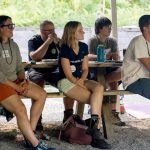
Compensation and Benefits at Special Needs Camps: What Staff Can Expect
Compensation at a special needs camp is not a single number. It is a combination of a weekly cash wage, room and board at residential programs, and employer-provided certifications and training. Knowing how these components work together helps prospective staff evaluate offers more effectively.
Why Special Needs Camp Compensation Differs from General Camp Work
Understanding the structure of compensation matters more than any single rate. A weekly figure without context tells you almost nothing.
Special needs camps operate with higher staff-to-camper ratios than general programs. That ratio is what makes individualized support possible across the full day. More staff per camper means more positions exist, and each staff member carries more sustained responsibility per shift than an equivalent role at a general program. Programs that adjust pay to reflect this acknowledge the demands of the work.
Clinical and credentialed roles exist at special needs camps that have no equivalent at most general programs. A single program may employ direct support counselors, behavioral specialists, licensed therapists, and nursing staff simultaneously. The wage range within one program can be wide, and the spread from entry-level to credentialed roles is larger than anything a general camp compensation structure typically produces.
The work draws on a more specific skill set than general counseling. Staff who support campers with special needs implement individualized plans, use augmentative communication, and respond to behavioral and medical situations that require documented competency. Programs that take this seriously tend to pay accordingly.
Employer-provided training and mentorship are tangible benefits that apply outside camp work. For a fuller picture of what the work demands before evaluating what it pays, see our introduction to working at a special needs camp.
Wage Ranges by Role Type
Wages at special needs camps are typically quoted as weekly rates because most positions are session-based rather than hourly. Total earnings depend on session length as much as on the weekly rate. Sessions range from a single week to eight weeks or longer depending on program format. Confirm the exact session length before evaluating any offer.
The ranges below are drawn from publicly available postings and general industry patterns. Camp staff compensation varies widely across geography, program type, session structure, and program budget, and the industry does not produce consistent benchmarks. This guide uses these figures as orientation points to reflect that variability, not as benchmarks for comparison or negotiation. Individual programs may offer wages above or below these ranges, and that difference alone is not a reliable indicator of whether an offer is fair. The total compensation framework in the Offer Evaluation section is a more reliable tool for evaluating real offers.
Entry-Level Direct Support Counselors
Direct support counselors and cabin counselors typically earn somewhere in the range of $300-$650 per week. Residential programs serving children with higher support needs tend toward the upper end. Day programs are often lower because room and board is not included as an offsetting benefit. A two-month residential session at $400 per week produces $3,200 in cash wages; at $550 per week the same session produces $4,400.
Behavioral Specialists and Behavior Technicians
Staff in behavioral specialist or RBT-certified behavior technician roles typically fall in the range of $450-$850 per week. These roles sit between direct support counselors and fully credentialed clinical staff in both responsibility and pay. Programs vary in whether they require RBT certification before hiring or provide the training track as part of employment.
Credentialed Clinical Roles
Registered nurses, licensed practical nurses, speech-language pathologists, occupational therapists, and board-certified behavior analysts command substantially higher weekly rates, commonly in the range of $750-$1,600 per week, with some roles at clinically intensive programs exceeding that. The scarcity of qualified candidates drives higher compensation for these positions. A six-week session at $1,000 per week produces $6,000 in cash wages before accounting for room and board.
Supervisory Roles
Unit directors and program directors typically earn above direct support counselor rates, but the range varies too widely to quote usefully. Program size, residential versus administrative structure, and the scope of supervisory responsibility all affect the figure significantly. These roles require prior special needs camp experience but are not clinical positions.
To understand which role type applies to your background before evaluating which range is relevant, see our guide to roles at special needs camps.
Room and Board as a Compensation Component
At residential special needs camps, room and board is a compensation component, not a convenience. It eliminates housing, food, and transportation costs for the duration of the session. Recognizing the value of room and board helps put the weekly wage in context.
A staff member paying $1,200 per month in rent and $400 per month in groceries is spending $1,600 per month on costs that disappear during a two-month residential session. That is $3,200 in realized value on top of the cash wage. A direct support counselor earning $450 per week over eight weeks takes home $3,600 in cash. When room and board value is included, total compensation is closer to $6,800 for the same period. Remembering this total helps you compare offers more accurately.
Not all programs offer room and board at the same standard. Housing ranges from shared staff cabins to private or semi-private rooms. Meal quality, dietary accommodation options, and access to laundry and other facilities vary. These are worth asking about explicitly because the dollar value calculation above assumes the benefit is actually usable.
Day program positions typically do not include room and board. A day program wage of $600 per week is not equivalent to a residential program wage of $600 per week. That difference has to be factored in before the comparison means anything.
Some programs offer partial room and board: meals provided but housing not included, or housing provided but meals charged to staff at cost. Clarify the exact scope before accepting any offer.
Certification Training and Professional Development as Benefits
Many special needs camps provide formal certification training as part of employment. Most of this training occurs during pre-season orientation, before campers arrive. Ongoing training happens throughout the season with supervision and structured feedback.
Pre-Season Certifications
CPI (Crisis Prevention Institute) certification is the most commonly provided formal credential at special needs camps. It covers nonviolent crisis intervention and is recognized across disability services, behavioral health, and educational settings beyond camp. Staff who get CPI training through the camp save $200-$400 and receive a credential they keep after the session ends.
First aid and CPR certification are standard at most programs and are typically provided or renewed during pre-season training. For staff who maintain these certifications independently, the employer-provided renewal has direct dollar value: $50-$150 per recertification depending on provider and format.
Ongoing Development During the Season
Some programs provide ABA-track hours toward RBT eligibility or supervised clinical hours that count toward professional licensure requirements. These are not universal, and their availability depends on the program type and whether a supervising clinician is on staff. For staff in relevant undergraduate or graduate programs, a summer that produces documented supervised hours is meaningfully more valuable than one that does not.
Structured supervision and clinical mentorship are present at most clinically intensive programs throughout the season. These are not formal certifications but contribute to documented professional development in ways that matter for graduate program applications and future employment in disability services.
For what pre-season training specifically covers and which certifications are most commonly provided, see our post on staff training at special needs camps.
Offer Evaluation Framework
A compensation offer at a special needs camp has several components. Evaluating the weekly wage alone is the least useful way to compare offers across programs.
Get Everything in Writing First
Before evaluating any offer, request a written offer letter or employment agreement that specifies the cash wage, session dates, room and board scope, certification training provided, and any completion bonus structure. Always get an offer in writing. Reluctance to do so should prompt caution. The written document is the only reliable basis for comparison.
Calculate Total Compensation
Add the cash wage for the full session to the dollar value of room and board and the dollar value of employer-provided certifications. A session paying $450 per week over eight weeks produces $3,600 in cash. Add $3,200 in room and board value and $300 in CPI certification value and the total compensation figure is $7,100. Compare that number across programs, not the weekly wage in isolation.
Confirm Session Length and Role Assignment
Session length determines total cash earnings. A $500 per week rate over four weeks produces $2,000 in cash; the same rate over eight weeks produces $4,000. Confirm session start and end dates in writing before accepting.
Confirm also what role type is being offered, whether a group-based or one-to-one assignment is expected, and whether the assignment can change mid-session. Compensation should match the actual role being performed. A title of “counselor” can cover substantially different work depending on the program.
Questions to Ask About Pay Structure
Ask these questions before accepting any offer:
- When is pay distributed: weekly, at the end of the session, or in a split arrangement?
- Is there a completion bonus for finishing the full session, and what are the conditions for receiving it?
- Are there any deductions from the cash wage for room and board, meals, or program costs?
- What certifications are provided, and are they available to all staff or only specific roles?
Red Flags in a Compensation Offer
Vague wage language such as “competitive pay” or “stipend provided” without a specific figure is a signal to ask for written terms before proceeding. Room and board described as a benefit without a specific scope leaves the value undefined. Absence of a written offer before your expected arrival date is the clearest flag of all.
Special Needs Camp vs. General Camp Compensation
Staff with prior experience at general camps will find the compensation picture at special needs camps structurally different in three ways that matter when comparing offers.
Entry-level wages run higher. Direct support counselor rates at special needs camps generally sit above equivalent general counselor rates at programs of comparable size. The $300-$650 range for direct support roles reflects a higher floor than most general counselor positions. That difference is real and persists across program types and regions, though the gap narrows at the lower end of both ranges.
A clinical and credentialed tier exists here that does not exist at most general camps. A registered nurse, an SLP, or a BCBA at a special needs camp is filling a role with no general camp equivalent. The $750-$1,600 weekly range for credentialed clinical staff represents a compensation tier that general camp hiring simply does not produce. If you hold a clinical credential, the comparison is not between program types; it is between this market and the broader labor market for your credential.
Professional development components are more specifically valuable here. CPI certification, documented ABA hours, and supervised clinical time have direct relevance in disability services, special education, and behavioral health. General camp certifications rarely carry the same weight in those fields. A summer that produces these credentials has value beyond the cash wage that a general camp summer typically does not match, regardless of how the weekly rates compare.
Room and board value is broadly comparable across program types and is not the differentiator. The differentiator is the cash wage, the clinical tier, and the professional development yield.
Browse current openings by role type at the Camp Channel special needs jobs board, which lists positions at special needs camps across the country.
Frequently Asked Questions
How much do special needs camp counselors make?
Entry-level direct support counselors at special needs camps typically fall somewhere in the range of $300–$650 per week, though actual wages vary widely by geography, program type, and session length. Clinical and credentialed roles earn substantially more, commonly in the range of $750–$1,600 per week depending on the credential. These figures are orientation points, not benchmarks. Total compensation including room and board and employer-provided certifications is a more reliable basis for evaluating any specific offer.
Is room and board included in special needs camp staff pay?
At residential programs, room and board is typically included as part of the compensation package, covering housing, meals, and use of program facilities for the full session. Its dollar value can be substantial: eliminating two months of rent and grocery costs represents $2,000 or more in realized value depending on where the staff member lives. Day programs typically do not include room and board, which must be accounted for when comparing wages across program types.
Do special needs camps pay more than regular camps?
For equivalent entry-level roles, generally yes. Direct support counselor wages at special needs camps tend to run higher than general counselor wages at comparable programs, reflecting the intensity of the work and the specificity of the skill set required. The difference is more pronounced in clinical and credentialed roles, which exist at special needs camps but have no equivalent at most general programs. Room and board value is broadly comparable across both program types.
What benefits besides pay should I ask about when applying to a special needs camp?
Ask specifically about certification training provided during pre-season orientation and across the season, whether the position produces supervised clinical hours applicable to professional licensure, whether there is a session completion bonus and what the conditions are, and the exact scope of room and board if the position is residential. Together these can add $1,000–$4,000 or more to a position whose cash wage looks modest on its own.
This post is part of the Working at a Special Needs Camp Guide on VerySpecialCamps.com.

Roles at Special Needs Camps: A Guide to Position Types and What Each Involves
Special needs camps employ a wider range of staff than most people expect. The roles extend well beyond general counseling, and the structure of a camp’s staff team reflects the support needs of the campers it serves. Understanding the full range of positions, what each involves, and what qualifications each requires helps prospective staff identify where they fit and helps families understand who will be supporting their child.
Why Role Structure at Special Needs Camps Differs from General Programs
At a general camp, staff are typically organized by activity area or cabin unit. At a special needs camp, staff are organized around support needs. That difference in organizing principle creates a wider range of more specialized roles.
Because special needs camps operate with higher staff-to-camper ratios than general programs, more positions exist per session and roles are more specialized. The higher ratio is not only a safety measure; it is what makes individualized support possible across the full day. For more on how staffing levels at special needs camps create the conditions for more positions and more role differentiation, see our post on staff ratios and staffing at special needs camps.
At clinically intensive programs, clinical and medical staff are integrated into daily programming rather than operating in a separate health center. Role boundaries are formally defined: who does what, who reports to whom, and who holds clinical authority are explicit rather than assumed. That clarity is part of what keeps these programs running safely.
For a broader introduction to what the work at a special needs camp actually involves before evaluating specific roles, see our post on working at a special needs camp.
Direct Support Roles
Direct support roles are the most common positions at special needs camps and the most accessible starting point for staff without clinical credentials. Most prospective staff will be evaluating one of the following.
Group-Based Counselor Roles
The standard direct support counselor or cabin counselor is responsible for a group of campers across the full day or residential period. This role involves implementing individualized support plans for each camper in the group, supporting daily living tasks, facilitating activities, and communicating observations to supervisors. It is the most common starting role for staff new to disability support.
One-to-One Support Roles
Some campers require a dedicated staff member assigned exclusively to them for the duration of the session. The scope of a one-to-one role is narrower in breadth than a group counselor role: the staff member is focused on one camper rather than several. That narrower breadth comes with a deeper relational focus than group counselor work. One-to-one roles often involve more sustained behavioral support, more precise implementation of an individual support plan, and a higher relational intensity than group roles. Programs assign these based on individual camper need, not staff preference. Prospective staff should ask during the hiring process which model a program uses and whether one-to-one assignments are determined before or after arrival.
Activity Specialist
Staff assigned to specific programming areas such as waterfront, arts, or ropes courses, responsible for adapting activities to individual camper needs across the groups that rotate through. May be entry-level or require a specific skill credential depending on the activity.
Junior Counselor and Counselor-in-Training
Age-dependent introductory roles at programs that offer them, typically for staff between 16 and 18 years old. These positions include a structured mentorship component and are not available at all programs.
Most direct support roles require no specific credential. Programs look for maturity, genuine interest in working with this population, and availability for the full pre-season training period. Some programs prefer applicants with coursework in education, psychology, or human services. For what pre-season training at a special needs camp actually covers, see our post on staff training at special needs camps.
Clinical and Specialist Roles
Clinical roles at special needs camps require specific credentials and carry formal professional responsibilities. The following are the most common.
Behavioral Specialist and Behavior Technician
Implements behavioral support protocols for individual campers under the supervision of a board-certified behavior analyst (BCBA) or clinical director. May require RBT certification or documented experience with applied behavior analysis. Common at programs serving campers with autism or significant behavioral support needs. These roles involve structured data collection, precise protocol implementation, and regular clinical supervision, in contrast to direct support counselor roles, where behavioral support is one responsibility among many.
Speech-Language Pathology Support
SLPs or SLP assistants who support communication goals during camp programming. Requires state licensure or supervised clinical hours depending on role level.
Occupational Therapy Support
OTs or OT assistants who support adaptive skills, sensory processing, and daily living goals. Same licensure structure as SLP roles.
Nursing and Medical Staff
RNs or LPNs responsible for medication administration, health monitoring, and medical protocol implementation. Required at programs with medically complex campers. EMT credential is relevant at some programs.
Credential pathways, licensing steps, and career progression for all clinical roles are intentionally excluded here. A forthcoming post on clinical and specialist roles in depth will cover those topics. This section covers what each role does and what credential it typically calls for.
Supervisory Roles
Unit director and program director roles sit outside the clinical track and belong in a category of their own. A unit director manages a team of direct support counselors, carries supervisory responsibility for group programming, and is accountable for staff performance within their unit. This is not a clinical role and does not require a clinical credential. Clinical decisions within a unit remain the authority of clinical staff. Unit director roles typically require prior camp experience at a special needs program and strong behavioral and communication competency.
For training content specific to credentialed and supervisory staff tracks, see our post on staff training at special needs camps.
Adaptive and Specialty Program Roles
Some roles exist only at programs built around specific therapeutic modalities or populations. These positions are less common than direct support or clinical roles but carry distinct credential requirements.
Therapeutic Riding Instructor and Sidewalker
At equine-assisted programs, instructors typically hold PATH International certification, which is the recognized standard in therapeutic horsemanship. Sidewalker roles, which involve walking alongside the horse and providing direct camper support during riding sessions, are entry-level positions with on-site training provided. For more on what therapeutic riding programs involve and how they are structured, see our post on therapeutic riding at special needs camps.
Adaptive Aquatics Instructor
At programs with waterfront programming, this role may require Red Cross adaptive aquatics certification or an equivalent credential. Responsibilities include water safety and adapted swim instruction for campers with a range of physical and developmental needs.
Transition Program Staff
At programs serving young adults who are aging out of school-based services, staff roles emphasize independence-skills coaching over behavioral crisis management. The work is oriented toward goal-directed daily living skill development: cooking, transportation, self-advocacy, and employment readiness. These programs require staff who are comfortable with a coaching model rather than a direct support model. For more on how transition programs are structured and who they serve, see our post on transition programs at special needs camps.
Arts, Music, and Drama Therapist
At programs with therapeutic arts components, these roles typically require a graduate-level credential in the relevant therapy modality.
How Role Structure Varies by Program Type
Not all special needs camps have all of the roles described above. The program type shapes the staff team, and the staff team shapes what a camper’s day actually looks like.
Clinically Intensive Residential Programs
These programs have the widest range of roles, with clinical and medical staff embedded in daily programming rather than available on request. Credential requirements across the staff team are the highest of any program type. Campers at these programs receive consistent clinical oversight throughout the day, which directly affects the intensity and individualization of support available.
Recreational Special Needs Camps
These programs are organized primarily around direct support counselors and activity specialists. Clinical staff may be on call rather than embedded in programming, and the overall structure is closer to general camps but with more individualized support training. What campers experience day to day depends more on direct support staff than on how many clinical staff are on site.
Day Programs
Day programs have similar role types to residential programs but without overnight supervision duties. Family involvement in the daily handoff is typically higher, which affects how staff communicate observations across the day.
Single-Disability Focus Programs
Role requirements at these programs are shaped around the specific population served. A program serving campers who are deaf or hard of hearing may require ASL fluency from direct support staff. A program serving campers with physical disabilities may prioritize personal care and mobility support competency. Consistency of staff who share communication or cultural context with campers has a direct effect on camper comfort and engagement.
Dual Diagnosis and Behavioral Health Programs
These programs have the highest concentration of credentialed clinical staff of any program type. Behavioral specialist roles are standard rather than optional, and the ratio of clinical to direct support staff is higher than at most programs. The structure of the daily schedule reflects the clinical intensity of the population served.
Families evaluating programs should ask not only how many staff are present, but how clinical and direct support roles are integrated into the daily structure.
Choosing a Role That Fits Your Background
The role inventory above is only useful if it connects to your specific situation. The following paths are not exhaustive, but they cover the most common starting points.
- If you have no specific credentials, direct support counselor roles at recreational or residential programs are the most accessible entry point. The tradeoff is that entry-level roles carry intensive daily support responsibility relative to the preparation provided. Pre-season training is real and substantive, but it is not a substitute for prior exposure to disability support work. Without any prior exposure, the first week is more demanding than most people expect.
- If you have relevant coursework but not yet a credential, look for programs that explicitly value clinical placements or practicum hours. Behavioral technician roles may be available with RBT certification or documented ABA hours. The constraint is that these roles operate under close clinical supervision and require comfort with structured direction rather than independent judgment. It is worth understanding that dynamic before you apply rather than after.
- If you hold a clinical credential, seek programs where your credential is central to daily work, not just a box checked at hiring. An SLP at a communication-focused program has a meaningfully different scope of practice than an SLP at a general residential program where communication support is informal. The tradeoff is that credentialed roles at clinically intensive programs carry more documentation and compliance responsibility than the same credential at a recreational program.
- If you have a specific skill credential such as PATH certification or adaptive aquatics, look for programs whose type matches your credential. The constraint is that these roles exist at a narrower range of programs and hiring windows may open earlier than for general counselor roles. The special needs camp types section on VerySpecialCamps.com is a practical starting point for identifying programs by type, including therapeutic riding programs and transition programs.
Browse current openings by role type at the Camp Channel special needs jobs board, which lists positions at special needs camps across the country.
Frequently Asked Questions
Do I need a clinical credential to work at a special needs camp?
No. The majority of positions at most special needs camps are direct support roles that do not require a clinical credential. What programs look for at the entry level is genuine interest in working with this population, the ability to follow structured support plans, and availability for pre-season training. Clinical credentials are required for specific roles such as nursing, speech-language pathology, occupational therapy, and behavioral analysis. If you hold a credential, there are roles where it is operationally central rather than supplemental.
What is the difference between a one-to-one support role and a group counselor role at a special needs camp?
A group counselor supports several campers across the day and is responsible for implementing individual support plans for each of them. A one-to-one support role assigns a staff member exclusively to a single camper for the session. The one-to-one role is narrower in breadth but often more intensive and consistent in the depth of attention it requires. Programs assign one-to-one support based on individual camper need. Not all programs use this model, and not all staff who accept a position will be assigned to a one-to-one role.
Can I work at a special needs camp if I have experience with a specific disability but no formal credential?
Yes, in most cases. Personal or informal experience with disability, including a family member’s diagnosis, prior volunteer work, or relevant coursework, is valued by many programs and is often explicitly mentioned in listings for direct support roles. It is not a substitute for the pre-season training a program provides, but it is a meaningful differentiator in an application. Programs serving specific populations may weight relevant experience more heavily than others.
How do I know which role type is the right fit for my background?
Start with what you bring: credential level, prior experience, and the kind of work structure you function well in. If you are entry-level and new to disability support, a group counselor role at a recreational program is the lowest-barrier starting point. If you hold a credential, match it to a program type where it will be used throughout the day. If you have a specific skill such as therapeutic riding or adaptive aquatics, look for programs built around that modality. The Choosing a Role section above maps each path to a tradeoff, which is worth reading before applying.
This post is part of the Working at a Special Needs Camp Guide on VerySpecialCamps.com.
Staff Training at Special Needs Camps: What to Expect Before and During the Season
Staff at special needs camps go through a more structured, more intensive, and more guided training process than most camp staff have encountered before. That reflects what the work requires. Understanding what training involves before you arrive helps you prepare for it and helps you evaluate whether a program is preparing you well.
How Training at a Special Needs Camp Differs from General Camp Orientation
General camp staff orientation tends to focus on activity delivery, emergency procedures, group behavior expectations, and community norms. Those things matter, but they do not address what staff at special needs camps need to be ready for on day one.
Training at a special needs camp is built around individualized support. That means learning how to respond to a specific camper’s patterns and needs, not just how to manage a group. It means understanding communication systems used by campers who communicate nonverbally or with limited speech.
It means knowing what to do when a camper’s sensory environment becomes overwhelming, when a transition triggers a meltdown, or when a behavior may have a medical cause that needs to be flagged rather than managed.
The training is longer than general camp orientation, more structured, and includes an assessment component: staff are expected to demonstrate that they can apply what they have learned, not just show they understood it. This helps ensure staff are prepared for campers’ needs from day one.
Because the work involves higher staff-to-camper ratios and more intensive individual support than general camp settings, the preparation has to match. For more on how staffing levels shape the camp experience, see our post on staff ratios and staffing at special needs camps.
What Pre-Season Training Actually Covers
Most special needs camps cover the following during pre-season training:
Behavioral Support
Staff learn positive behavior support approaches, with an emphasis on understanding behavior as communication rather than defiance or disruption. Role-play and observed practice are common because reading about de-escalation and doing it are very different things. Core skills include:
- Recognizing early signs that a camper is showing distress or becoming overwhelmed
- Responding in ways that de-escalate rather than making the situation worse
- Documenting what happened and what worked
Communication
Campers communicate in many different ways. Some use speech. Some use augmentative and alternative communication (AAC) systems, such as picture exchange boards, speech-generating devices, or core vocabulary boards. Staff learn the basics of the systems in use at their specific program and are expected to use them consistently rather than relying only on spoken communication. Fluency takes time, but familiarity before the first session matters.
Medical and Health Protocols
Not all staff are responsible for medication administration; at most programs that responsibility sits with designated medical personnel. What all staff are expected to know is how to recognize when a medical protocol needs to be activated and who to contact immediately. Staff learn:
- How to recognize and respond to seizures
- Use of adaptive equipment
- How to follow protocols set by clinical or nursing staff for specific campers
Individualized Support Plans
Most special needs camps develop a support plan for each camper before the session begins. Staff learn how to read those plans, how to implement them consistently across the day, and how to take direction from clinical staff and supervisors when the plan calls for a specific response. This level of oversight is different from the independence of general counseling roles, and it is an important part of how these programs keep campers safe and supported.
Crisis Procedures
Emergency training at special needs camps goes beyond fire drills and lost camper protocols. Programs vary in which frameworks they use, but the content is always specific to the population served. Staff learn:
- How to respond when a camper is in a serious behavioral crisis
- How to keep the camper and the surrounding group safe
- When to escalate to clinical or medical staff rather than managing independently
Documentation and Reporting
Staff are expected to observe and document what happens. That includes shift notes, incident reports, and communication to supervisors about anything unusual or worth tracking. The documentation expectation is higher than at most general camps. It is part of how clinical staff monitor camper wellbeing across the session.
How Long Training Runs and What the Schedule Looks Like
Pre-season training at most special needs camps runs three to seven days. Programs serving campers with more complex medical or behavioral needs tend toward the longer end. Staff typically arrive three to seven days before the first camper session begins.
The schedule is usually a mix of formats:
- Large-group instruction for shared content like emergency procedures and communication frameworks
- Small-group practice for behavioral skills
- Role-play or simulation with supervisor feedback for anything requiring demonstrated competency
Some programs run clinical staff and direct support counselors through shared training on common protocols, then split into role-specific groups for content that applies only to one track.
The assessment component is usually ongoing observation rather than a single test. Supervisors watch how staff handle simulated scenarios, how they engage during practice exercises, and whether their questions show they understand the purpose behind what they are being taught. If someone is struggling, the more common response is additional practice and support, not being asked to leave training.
Certifications and Formal Training Components
Many special needs camps include formal certification components in pre-season training. The most common is CPI, which stands for Crisis Prevention Institute. CPI certification covers nonviolent crisis intervention: how to de-escalate a situation verbally, how to protect yourself and the person in crisis if physical intervention is needed, and how to debrief afterward. It is a recognized credential in disability services broadly, and earning it during camp training gives staff a credential they can use beyond the summer.
First aid and CPR certification are standard at most programs. Depending on the camp, they may accept an existing certification or require staff to complete their preferred provider’s course during pre-season training. Ask during the hiring process which applies.
Beyond CPI and basic safety certifications, programs vary. Therapeutic riding programs, for example, require different training than residential behavioral programs. What certifications you receive depends on the type of program and the role you are in. If the certifications a program offers matter to your professional development plans, ask about them explicitly before accepting a position. That is a reasonable question and most programs expect it.
In-Season Training and Ongoing Supervision
Training does not end when campers arrive. The structure shifts, but the learning continues.
Most special needs camps build debriefs into the daily or weekly schedule. After a session ends, staff and supervisors review what worked for specific campers, what needs adjustment, and what was observed that clinical staff should know about. These are not punitive reviews. They are part of how the program monitors camper progress and keeps staff from working in isolation.
Supervision check-ins are typically scheduled throughout the season, not just offered on request. Staff meet with a senior counselor or clinical supervisor to talk through individual campers, ask questions, and get guidance on situations they are not sure how to handle.
For staff new to disability support work, these check-ins are one of the most valuable parts of the summer.
When something goes wrong, the debrief that follows is designed to be a learning process. How the situation developed, what could have been done differently, and what support they need going forward are all part of the conversation. That is different from a disciplinary framing, and the distinction matters.
For more on what the work itself involves and what makes it professionally meaningful, see our introduction to working at a special needs camp.
How to Prepare Before You Arrive
You do not need to arrive as a trained disability support professional. That is what pre-season training is for. There are practical things you can do before your start date that will help you get more out of training and arrive more ready:
- Learn about the people the program serves. If the camp serves campers with autism, read generally about autism and communication. If it serves campers with physical disabilities, understand the basics of what daily living support might involve.
- Get familiar with the basics of augmentative and alternative communication (AAC). Knowing what PECS is, how a core vocabulary board works, and what a speech-generating device does means you will not be starting from zero when those systems come up in training.
- Confirm your first aid and CPR status. If you already hold a certification, ask during the hiring process whether the program requires their preferred provider’s course or will accept your existing card.
- Ask during your interview what pre-season training covers and whether the program sends preparation materials in advance. Most programs welcome the question and some send reading or video materials before staff arrive.
- Plan your arrival so you can focus fully on training. Arriving rested and without competing obligations during that week, with the energy and focus to absorb a lot of new information, makes a real difference.
Browse current openings at the Camp Channel special needs jobs board, which lists positions at special needs camps across the country.
Frequently Asked Questions
Do I need experience working with people with disabilities before attending training?
No. Pre-season training at special needs camps is designed to prepare staff with a range of backgrounds, including those who are new to disability support work. What programs look for before training is a genuine interest in working with this population, the ability to learn in a structured environment, and the self-awareness to ask questions when something is unclear. Prior experience is valuable, but it is not a prerequisite for most direct support roles.
What is CPI certification and will I receive it during training?
CPI stands for Crisis Prevention Institute. CPI certification covers nonviolent crisis intervention: de-escalation techniques, personal safety, and post-incident debriefing. Many special needs camps include CPI as part of pre-season training. Not all do, and it depends on the program and your role. Ask during the hiring process whether CPI training is provided and whether it is included for all staff or specific roles only.
How is training at a special needs camp different from what I experienced at a general camp?
General camp orientation tends to focus on group management, activity delivery, and community norms. Training at a special needs camp focuses on individualized support: how to follow a specific camper’s support plan, how to work with campers who communicate in different ways, how to respond when a behavior requires more than standard redirection, and how to document what you observe. The content is more specific, the structure is more formal, and the assessment component is more explicit.
What happens if I struggle during pre-season training?
Most programs treat training as preparation, not as a pass-or-fail screen. If a staff member is struggling with specific content, the usual response is additional practice and targeted support, not being asked to leave. Be honest with your supervisors about what isn’t clear. That is what the debrief and supervision structures are designed for. Programs want staff to arrive ready, and they generally invest in getting you there.
This post is part of the Working at a Special Needs Camp Guide on VerySpecialCamps.com.

Day Camp vs. Overnight Camp for Children with Disabilities: How to Choose the Right Format
Day programs and residential overnight camps serve different needs and suit different children. What follows is a framework for thinking through format as a variable in the enrollment decision; individual programs differ significantly within each format, and families should confirm specifics directly with any camp they are considering.
For many families, the choice between day camp and overnight camp feels like a logistical question: how far is the drive, what does the schedule look like, what are the costs. For children with disabilities, format is also a developmental decision. The right format depends on the child’s support needs, separation history, and medical requirements. How a child manages transitions between environments matters as much as any program feature does. Choosing the wrong format, even within an otherwise excellent program, can produce a difficult experience that gets misread as camp not working when the real issue is a format mismatch. Whether you are still deciding or have already enrolled, understanding what each format asks of a child helps families prepare more effectively and set more accurate expectations.
This post provides a framework for making that decision, not a formula. The same child may be ready for one format at one stage and a different format at another.
What the Two Formats Actually Look Like
Day programs and residential overnight camps share many features: structured activity schedules, trained staff, and programming designed around the populations they serve. What differs is where the child spends their time outside of program hours and who provides the continuity of care and environment.
In a day program, a child arrives each morning and returns home each evening. The camp manages support needs during program hours, but the home environment provides the structure and continuity that bookends each session day. The child never fully separates from their home base.
In a residential overnight program, the child lives at camp for the duration of the session. The camp environment provides all structure, support, and relationship continuity. Separation from home is not a side effect of the experience; it is a defining feature of how the program works. For children who adjust successfully, that sustained immersion is part of what makes residential camp transformative. For children who are not ready for it, the separation itself can overwhelm everything else the program has to offer.
How Disability Type and Support Needs Intersect with Format
For families of children with disabilities, four variables shape the format decision in ways that are worth thinking through explicitly.
Medical complexity. Children with significant medical needs may be better served by residential programs where medical staff are integrated into the daily schedule around the clock. A residential program that is properly equipped to manage a child’s medical needs offers more consistent oversight than a day program where the family resumes management responsibility each evening. The inverse can also be true: children whose medical protocols are highly individualized and difficult to transfer to a new care team may be safer in a day program where the family retains daily oversight.
Behavioral and emotional support. Children who need high levels of consistency and predictability may find the continuity of a residential program stabilizing once they have adjusted. Children who need the emotional reset of returning home each evening, or whose behavioral regulation is closely tied to the presence of specific family members, may find day programs a better fit.
Communication profile. A child with limited expressive language who cannot say they are homesick, anxious, or in pain is navigating a more complex environment when separated from the family members who know them best. That does not automatically disqualify residential camp, but it raises the bar for what the program needs to provide in terms of staff training and behavioral observation. (For a closer look at how programs recognize distress in children who cannot verbalize it, see our post on managing homesickness at special needs camp.)
Separation history and attachment. A child who has never successfully separated overnight is not automatically a day camp candidate, but that history is a meaningful data point. The question is not whether the child has separated successfully before but whether the camp environment provides the right conditions for a first successful separation. Some children who struggle with informal overnights do well in the structured, staffed environment of a residential camp.
The Pressure Points Are Different in Each Format
Understanding where difficulty concentrates in each format helps families assess which pattern their child is better equipped to navigate.
In a day program, the pressure points occur daily:
- Drop-off each morning
- Pickup and the transition back to the home environment each afternoon
- The shift between camp and home, repeated throughout the session
For a child who struggles with transitions between environments, those moments repeat throughout the session rather than occurring once at the start and end.
In a residential overnight program, the pressure points are more intense but less frequent:
- The initial separation at drop-off
- The evening period, when the emotional weight of being away from home tends to surface
- The morning routine, which sets the tone for the day ahead
(For a fuller picture of how programs manage those moments, see our post on what to expect at special needs camp.)
The counterintuitive case is worth naming directly: some children with significant transition difficulties actually fare better in residential programs because the total number of environmental transitions is lower. A child who struggles with daily drop-off and pickup in a day program may experience less cumulative disruption in a residential setting where those transitions happen once at the start and once at the end of the session.
Readiness Indicators Families Can Assess
These questions help families evaluate their child’s profile against the demands of each format and have more productive conversations with programs:
- Overnight separation history: Has the child successfully separated overnight before, even informally? A sleepover at a relative’s home, a school trip, or a medical stay all count as evidence. What happened? How long did adjustment take? What helped?
- End-of-day transitions: How does the child manage the end of a structured day? The transition out of school or therapy is a useful proxy for how they will manage daily pickup in a day program or the evening wind-down in a residential one.
- Distress communication: How does the child communicate distress, and to whom? This matters most for residential programs, where staff who do not know the child well must recognize and respond to signals that may not look obvious.
- Medical protocol transferability: What is the child’s medical protocol and how transferable is it? A highly individualized protocol may favor day camp. A well-documented protocol manageable by trained staff may be handled as well or better in a residential setting.
- Child’s own signals: What has your child said or shown about camp? Curiosity and excitement are useful signals. Anxiety is not a disqualifier for either format, but it should be part of the decision, not something to work around.
When to Start with Day Camp and When Overnight Makes Sense First
Many families assume day camp must come before overnight camp. For some children with disabilities that sequence makes sense. For others it does not, and defaulting to it without examining the assumption can result in years spent in a format that is not the right fit.
Day camp is often the right starting point for:
- No prior overnight separation experience and not yet ready to test that boundary
- Significant medical complexity whose protocols have not yet been successfully transferred to an outside care team
- Attachment patterns that make sustained separation difficult at this stage
In these cases, day camp is a bridge, not meant to be permanent. The goal is to build the separation tolerance and program familiarity that makes overnight camp a realistic next step.
Overnight camp makes sense first, or without a day camp prerequisite, for:
- Demonstrated separation tolerance in other contexts
- A daily transition cycle in day camp that would be more disruptive than a sustained residential experience
- Support needs better met by the staffing and continuity model of a residential program
(For a closer look at preparing a child with disabilities for the overnight experience specifically, see our post on preparing a neurodivergent child for overnight camp.)
There is no universal rule that day camp must precede overnight camp. The decision should be driven by your child’s specific profile, not by a default sequence designed for typically developing children.
Questions to Ask Programs About Format
When format is a meaningful variable in the enrollment decision, these questions help families move past brochure-level information:
- How does your program support children who are new to the overnight experience? A program that has thought carefully about this will describe specific intake practices, staff training, and first-night protocols. General reassurance is not a specific answer.
- What does your intake process look like for children with significant medical or behavioral support needs? The depth and specificity of the answer reveals how seriously the program treats the transition from family care to program care.
- How do you handle the daily drop-off and pickup transition for day program campers who find transitions difficult? Programs that have encountered this before will have a real answer.
- What is your protocol when a child is not adjusting to the residential environment after the first few days? A specific, honest answer that includes a clear escalation path and family communication protocol is a positive signal.
- Have you successfully served children with profiles similar to my child’s in this format before? Ask for specifics, not general affirmations.
Using the VerySpecialCamps.com Directory
If you have identified a format preference, or want to compare candidates across formats, the VerySpecialCamps.com directory allows filtering by format as well as by population and program type. Use format filtering to narrow the initial candidate pool before applying the evaluation questions above.
A Primary Focus designation on a listing means the program is specifically built around that population. A General Support designation means the population is served but is not the program’s central design focus. That distinction still matters regardless of format.
Browse the full directory at VerySpecialCamps.com.
Frequently Asked Questions
Is day camp or overnight camp better for children with disabilities?
Neither format is universally better. The right format depends on the child’s support needs, separation history, medical requirements, and how they manage transitions. Some children with disabilities thrive in residential overnight programs because the sustained, consistent environment reduces the daily transition burden. Others are better served by day programs that allow them to return home each evening. The decision should be driven by your child’s specific profile rather than assumptions about which format is safer for children with disabilities generally.
At what age should a child with a disability try overnight camp?
Age is a less useful guide than readiness indicators. The relevant questions are whether the child has successfully separated overnight before, how they manage transitions between structured environments, how they communicate distress, and whether their support needs can be met by the program’s staffing model. Your child’s developmental and emotional profile matters more than their chronological age.
How do I know if my child is ready for overnight camp?
Readiness indicators include successful separation experiences in other contexts, the ability to communicate distress to unfamiliar adults, a medical protocol that can be managed by trained staff, and demonstrated tolerance for structured environments outside the home. No child will be perfectly ready, and first sessions often involve adjustment difficulty. The question is whether the program has the capacity to support your child through that adjustment.
Can a child with significant medical needs attend overnight camp?
Yes, many children with significant medical needs attend and thrive at overnight camp. The relevant question is whether the specific program has the medical staffing, protocol management capacity, and real experience supporting children with similar needs. Ask specifically about medical staff credentials, medication administration protocols, and how the program handles acute events.
What should I do if my child had a bad experience at overnight camp?
Start by distinguishing between a program mismatch and a format mismatch. A child who struggled because the program was not equipped to support their needs may do well at a different overnight program. A child who struggled primarily because of the separation itself or the residential environment may be better served by starting with a day program and building toward overnight over time. Speaking directly with the program about what specifically went wrong is the most useful first step.
This post is part of the Special Needs Camp Life and Preparation guide on VerySpecialCamps.com.

Managing Homesickness at Special Needs Camp: What Families and Camps Can Do
Homesickness at special needs camp is common, but families and programs can take steps to prepare and support the child. How homesickness appears and is handled depends on the child, their needs, and the program. What follows reflects common patterns across program types; individual programs differ, and families should confirm specifics directly with any camp they are considering.
Many parents worry not only that their child will miss home, but also that they cannot express it or that staff may not notice. They fear it could escalate quietly into a situation that is more difficult to handle. That worry points to something real: homesickness at special needs camp does not always look the way most people expect it to.
Knowing how it shows up, how the program responds, and what families can do before and during the session is the best preparation available.
How Homesickness Presents Differently in Children with Disabilities
For most children, homesickness is recognizable. They say they miss home. They cry at night. They ask to call their parents. Staff know what to look for and respond accordingly.
For many children with disabilities, that script does not apply.
A child who is nonverbal or has limited expressive language cannot say “I miss my mom.” What staff see instead is a behavioral shift: withdrawal from activities that were previously engaging, increased self-stimulatory behavior, refusal to eat, physical complaints with no clear medical cause, or a flatness of affect that was not present at arrival. None of these are obvious signs of homesickness. Each could be attributed to something else. The camp’s staff are trained to notice these changes as signs the child may be struggling, rather than misreading them as challenging behavior.
A second, subtler pattern can be easily misunderstood. Some children with disabilities are not homesick in the traditional sense at all. They are not missing their parents so much as they are struggling with the disruption of their routine. The schedule is different. The physical environment is unfamiliar. The sensory profile of the space does not match what they are used to. For a child on the autism spectrum or a child with significant anxiety, that disruption can produce distress that looks identical to homesickness but has a different source. If that distress is mistaken for homesickness, well-meaning interventions like extra phone calls home can make things harder. Consistency during this adjustment period is often what the child needs most. The program recognizes the difference early and responds to the actual source of difficulty rather than the surface presentation.
A third pattern involves children with strong attachment needs or separation anxiety, for whom being away from a primary caregiver can feel especially stressful. For these children, advance intake work matters most, and staff consistency during the session is one of the most important protective factors available.
What Well-Run Programs Do
Homesickness at a carefully run special needs camp is not treated as an individual crisis to be managed when it appears. It is anticipated, prepared for, and addressed through program design.
Before the session begins, the camp gathers detailed information about each child’s emotional history and separation patterns. This is not a formality. It is the mechanism through which staff learn what a child’s distress looks like, what has helped in the past, and what tends to make things worse. Families who complete intake materials carefully give the program tools it cannot improvise. Families who hold back information, from a desire not to stigmatize their child or from uncertainty about what is relevant, remove those tools before the session starts.
Staff training goes beyond recognizing typical homesickness. It includes noticing how children show discomfort, understanding whether routine disruption or emotional separation is the cause, and responding in ways that calm rather than heighten anxiety. That training is worth asking about directly when evaluating a program.
The physical and schedule environment plays a role as well. Predictable daily routines, the presence of familiar objects from home, and intentional morning and evening structure all reduce the conditions under which distress escalates. The program builds this buffer before any individual child needs it. For a closer look at how that structure works in practice, see our post on what to expect at special needs camp.
Having consistent staff throughout the day and evening helps children feel safe. Moving through the day with familiar adults provides predictability and comfort, which helps the child adjust more easily. When that continuity breaks, through a scheduling gap or a poorly managed handoff, the cost shows up in exactly the kind of emotional deterioration families fear most. Ask not just about staff ratios but about how continuity is maintained across the full day.
When distress does emerge, the camp has a clear escalation protocol. Staff know when to attempt in-program support, when to involve a supervisor or counselor, when to contact the family, and what that contact looks like. That protocol should exist in writing, and families should ask to understand it before the session begins.
What Families Can Do Before the Session
The most important preparation families can do happens well before drop-off.
Practicing separation before camp is one of the most effective interventions available, and it is often skipped. Short overnight stays with relatives, extended visits with trusted adults, or transitions through a structured day program all give a child the experience of being away from home and returning safely. For children with disabilities, that experience is often harder to arrange because their support needs make casual overnights more complicated. It is worth the effort. A child who has experienced separation and return has evidence that home is not gone. A child who has never been away has no such evidence.
What families say before camp matters as much as what they do. For children with anxiety or literal thinking patterns, certain well-intentioned phrases introduce the wrong frame entirely. Telling a child “if you really hate it you can come home” plants the exit before the session begins. Telling a child “I’ll miss you so much” centers parental distress in a moment when the child’s own readiness is what needs to occupy the room. The more useful framing is matter-of-fact and forward-looking: this is what will happen, these are the people who will be with you, and here is when you will see us again.
The intake process is the primary vehicle through which families equip the program to support their child. Fill it out as if the staff knows nothing, because in most cases they do not. Be specific about what distress looks like for this child, what has helped in the past, what tends to make things worse, and what the child finds genuinely comforting. That information is used. For a closer look at the preparation process, see our post on preparing a neurodivergent child for overnight camp.
What Families Can Do During the Session
The session is when parental anxiety peaks, often precisely because there is nothing obvious to do.
The most important thing a family can do during the first days of a session is understand and follow the program’s contact policy. This means learning that policy before drop-off, not after a day of silence has produced enough anxiety to override it. Most qualified special needs camps limit or delay contact during the first 48 to 72 hours. That window is not indifference. It is the period during which a child is most likely to adjust, and during which a phone call home is most likely to interrupt that adjustment rather than support it. A child who hears a parent’s voice before they have found their footing is being asked to bridge two worlds before they have settled into one.
Silence during this window does not mean something is wrong. Ask the program at drop-off to describe what silence means and what would actually trigger an outbound call from their end. Write that down. Having a clear picture of that threshold before it matters is what separates manageable waiting from a spiral of worst-case thinking.
When brief reports or updates do come through, read them as data rather than as a complete picture. A note that says “had a hard morning but joined the afternoon activity” is a good sign, not a partial alarm. A pattern of consecutive reports that are uniformly flat or that describe a child who is not engaging across multiple days is worth a follow-up call. One difficult report, especially in the first two days, is not.
When to push for more information is a real question. If the policy window has passed with no contact, a brief check-in call is reasonable. If you were told the program would reach out when distress reached a certain threshold and that has not happened, silence is informative. If your child has a medical or behavioral history that creates genuine safety considerations, you have standing to request a status check even within a no-contact window, and a carefully run program will provide one.
What is not useful is calling repeatedly, escalating through staff members, or threatening early pickup as a way of managing parental anxiety. These responses communicate alarm to a child who may not yet be alarmed and make the program’s job harder.
When Homesickness Signals Something More
Adjustment homesickness is normal and typically resolves within the first two to three days of a session. A child who is distressed at drop-off and settled by day three is experiencing something expected. A child who is distressed at drop-off and still escalating at day five is telling the program and the family something different.
Signs needing extra attention include not eating or sleeping, ongoing physical complaints, persistent upset despite support, or changes in skills or behavior that don’t improve with usual help. None of these are automatically grounds for early pickup, but all of them are worth a conversation with camp staff about what is being observed, what has been tried, and what the honest assessment is.
Parents should feel empowered to recognize when a camp may not be the right fit. Sometimes a child is not ready for overnight camp, regardless of how well the program is designed. Sometimes the program, however qualified, is not the right match for this particular child at this particular time. Early pickup when a child is truly struggling is not a failure; it provides useful information for planning the next year.
What is worth pushing back on is early pickup driven primarily by parental anxiety in the absence of actual signals from the child. A child who was tearful at drop-off and is now engaged in activities is not suffering. The parent’s discomfort is real, but it is not the same as the child’s distress, and conflating the two does not serve the child.
If there is genuine uncertainty about whether a child’s experience crosses the line from normal adjustment into something requiring intervention, the right next step is talking directly with camp staff, not making a unilateral decision. Programs that have handled this well will have a clear framework for that conversation and will not be defensive about having it.
Using the VerySpecialCamps.com Directory
Families evaluating programs for a child with a history of separation difficulty or significant emotional support needs should ask specifically about intake processes, staff training on emotional regulation, contact policies during the session, and how staff continuity is maintained across the day and into the evening. These are not peripheral questions. They are central to whether a program can support a child who struggles with separation.
The VerySpecialCamps.com directory organizes programs by the population or condition they serve, with filtering by state, format, and program type. A Primary Focus designation means the program is specifically built around that population. Use the directory to identify candidates, then bring the questions above directly to programs.
Browse the full directory at VerySpecialCamps.com.
Frequently Asked Questions
Is homesickness more common in children with disabilities at camp?
Homesickness is common across all campers, but children with disabilities may be more sensitive to situations that make homesickness harder: unfamiliar environments, disrupted routines, and difficulty communicating distress. Well-designed special needs programs anticipate these challenges and put support in place before it is needed.
How do special needs camps recognize homesickness in children who cannot verbalize it?
Trained staff watch for behavioral and physical signals: withdrawal from previously engaging activities, changes in appetite or sleep, increased repetitive behavior, or physical complaints without a clear medical cause. Programs serving children with communication differences train staff to notice these changes as signs a child may be struggling, rather than assuming another cause or misreading the behavior.
What should I tell my child before camp to help with homesickness?
Keep the framing matter-of-fact and forward-looking. Focus on what will happen, who will be there, and when they will see you again. Avoid framing that centers your own emotions or introduces an early exit before the session begins. For children with anxiety or literal thinking patterns, specific, concrete language helps reduce anticipatory worry.
Should I call my child if they are homesick at camp?
Most well-run programs limit contact during the first 48 to 72 hours because early calls tend to interrupt adjustment rather than support it. Follow the program’s contact policy, ask at drop-off what silence means and what would trigger a call from the program, and write that down. If the policy window has passed with no contact, a brief check-in is reasonable.
When is it appropriate to pick up a child early due to homesickness?
When a child shows sustained distress that is not improving with usual program supports across multiple days, checking in with camp staff is the right first step. Early pickup is appropriate when that conversation confirms a genuine mismatch, not when a child was upset at drop-off and a parent is anxious. Ground the decision in signals from the child and an honest assessment from the program.
This post is part of the Special Needs Camp Life and Preparation guide on VerySpecialCamps.com.

What to Expect at Special Needs Camp: How the Day Is Structured
Special needs camps vary widely, but most follow a similar daily structure. Programs differ, so families should check details directly with any camp they are considering.
For many families, the decision to enroll a child in a special needs camp comes with a particular kind of uncertainty. Families are not just asking whether a camp is the right fit. They are trying to understand what the day will actually feel like for their child. What happens at 8 in the morning? Who is with them at lunch? What does the end of the day look like for a child who struggles with transitions?
Those questions rarely appear on a camp’s website. This post exists to answer them.
No two special needs camps structure the day exactly alike. Programs differ by population, setting, format, and philosophy. But most share a recognizable shape, and understanding that shape helps families ask better questions, set more accurate expectations, and make more confident enrollment decisions. What follows covers how the day typically unfolds, then how that structure changes across different types of programs.
The Basic Shape of a Camp Day
Day programs and residential overnight camps differ in many ways, but most share a recognizable daily rhythm. It begins with arrival or waking up, moves through activity blocks, pauses for meals, navigates transitions, and closes with a wind-down period before departure or sleep.
Morning Arrival and Routine
For day camp families, the day starts at drop-off. For children who find transitions difficult, that moment can set the tone for everything that follows, especially in the first few sessions. For residential campers, the day begins in the cabin or bunk. Some programs use highly predictable morning sequences: the same order of events each day, the same staff present, the same physical cues. Others build in more flexibility as campers settle into the session.
Staff are present and engaged from the start of the day, not just during scheduled activities. A rough start does not stay at the door; it follows a child through every activity that comes after. Programs that understand this treat the morning as part of the program, not a warmup before it starts.
Activity Blocks
Most of the day is organized around activity blocks, often 45 minutes to an hour and a half each, covering physical activity, creative arts, social programming, skill-based activities, and in some programs, explicit therapeutic or developmental work.
The activities at a special needs camp often look similar to any other camp. What is different is how they are designed and led. At well-run programs, activities are tools for building social skills, practicing self-regulation, and giving children experiences of genuine competence.
Meals and Medication
Most families do not think about meals as a program element. At special needs camps, they are. Allergies, sensory sensitivities, and medication schedules all come together at the table. Families should understand who oversees meals, when medications are given, and how the dining environment is managed for children who find it overwhelming before enrollment. For a closer look at how camps handle food allergies and dietary needs specifically, see our post on allergies and foodservice at special needs camps.
Transitions
For many children with disabilities, transitions between activities are the hardest moments of the day. Moving from one activity to the next, from indoors to outdoors, from a preferred activity to a required one: these are not gaps in the schedule. They are part of it.
How a camp manages transitions reveals a great deal about how well it understands the populations it serves. Some programs use visual schedules posted in common areas so children always know what is coming. Some use countdown cues. Some schedule buffer time between periods to allow for longer transitions without pressure.
Knowing who guides a child through transitions matters as much as knowing how they are handled. Which staff member moves with a child from one part of the day to the next is something families rarely think to ask about but should. A child who moves through the day with the same counselor or support person has a thread of relationship and predictability that shapes how they navigate each shift. When that thread is not managed well, the cost shows up in behavior.
Evening and End of Day
Closing routines matter as much as morning ones, and they are worth understanding before the first day.
For day camps, departure is the closing ritual. For children who struggle with transitions, the shift back to home and family can be harder than it looks from the outside. For residential overnight campers, the evening period is when the emotional weight of being away from home tends to surface. Programs handle evenings differently: some with group activities, some with quiet time, some with counselors staying close as the day winds down.
How a program handles this period shows how well it understands its campers’ needs.
How the Day Adapts by Program Type
The shape described above holds across most special needs programs, but what it feels like to live inside it depends on how the program is built and who it serves. These are not about quality: they reflect different ways camps are designed for different populations and goals.
Clinically Structured Programs: Predictable, Supported Days
Some programs are built around a high degree of predictability and clinical intentionality. These tend to serve children on the autism spectrum, children with significant behavioral support needs, or children with medically complex conditions requiring active health management throughout the day.
In these programs, the schedule is tight. The sequence of events is the same each day, or close to it. Visual schedules are a feature of the environment, not an accommodation for individual campers. Staff ratios are higher, and transitions are handled as carefully as the activities themselves.
The pace is steady, not rushed. There is less open or unstructured time, not because the program is overly regimented, but because open time is where children who need this level of support are most likely to struggle without structure. When flexibility appears, it tends to be within a defined range of choices: a camper might choose between two activities rather than navigate an open period without guidance.
Medical or clinically trained staff are present throughout the day, not held in reserve. For children who need this level of predictability, it enables a smoother, safer experience.
Social and Developmental Programs: Structure with Room to Grow
Programs designed for children with ADHD, twice-exceptional youth, learning differences, or social communication challenges tend to organize the day around intentional peer interaction rather than clinical predictability. The schedule is structured, but there is more visible flexibility within it. Campers may choose some activities, and staff stay engaged during spontaneous moments rather than trying to eliminate them.
What sets these programs apart is less the physical layout of the day and more what staff are doing during it. A counselor watching two campers navigate a disagreement during free period is doing program work. The informal moments are the point. The schedule is designed to create these moments and support children through them.
For a closer look at how intentional structure serves twice-exceptional youth specifically, see our post on the importance of structure for the twice-exceptional mind.
Recreational Programs with Disability Support: Camp First
Other programs take a different approach, focusing on inclusion and access rather than targeted skill development. These include inclusive camps that serve children with and without disabilities together, camps serving children with physical disabilities, and programs serving children who are Deaf or Hard of Hearing.
In these settings, the camp schedule may look similar to a mainstream program. The differences show up in how activities are adapted, how communication is handled, how the physical environment is set up, and what support staff are doing within an activity rather than around it. The pace often feels like a traditional camp experience, which is for many families and campers exactly the point.
A child who uses a wheelchair is doing the ropes course, not watching it. A child who is Deaf is in the activity with peers, not in a separate group. Support is present, but it works to create access rather than a separate experience.
Medically Complex Support Programs: Health Systems Woven In
For children with chronic illness, complex medical needs, or conditions requiring ongoing monitoring and intervention, health systems are part of the program’s daily design, not its background. Morning health checks, medication administration at multiple points, nurse or medical staff presence during activities, and protocols for managing medical events are standard parts of the daily schedule.
The daily flow at these programs includes moments that would stand out elsewhere: a child checking in with the health center before breakfast, a medical review during a transition, a camper managing their own medical device with staff nearby. These are not disruptions: they are part of the program’s design.
For families of children with significant medical needs, the question is not whether these systems exist but how seamlessly they are integrated so that a child’s experience feels like camp, not like care with camp around it.
What to Ask About the Day
Understanding how a program runs its day is not separate from evaluating whether it is the right fit. It is central to it. These four questions help families move past the brochure.
How is unstructured time managed, and who is present during it?
Programs differ significantly in how much unstructured time exists and what support looks like during it. A program that describes its schedule as flexible without explaining what that means for children who struggle with open-ended time is worth pressing.
How are transitions handled, and which staff are present during them?
Ask specifically which staff member moves with a child through the day, and what happens when that person is not available. Programs that have thought carefully about transitions will have specific answers.
How are meals and medication managed?
Ask who oversees medication administration, when it happens in relation to meals and activities, and what the protocols are when a child refuses a dose or has a reaction. These details reveal how well the health and care systems are integrated into the rest of the day.
What does the evening or end-of-day period look like?
For residential programs, this is often the most emotionally demanding part of the day. For day programs, the transition home matters, especially for children who find the shift between environments difficult. A program’s answer here tells families a great deal about how well it understands its campers.
Using the VerySpecialCamps.com Directory
The VerySpecialCamps.com directory organizes programs by the population or condition they serve, with filtering by state, format, and program type. When reviewing programs based on daily experience and support level, the focus level designation on individual listings is a useful starting point. A Primary Focus designation means the program is specifically built around that population. A General Support designation means the population is served but is not the program’s central design focus.
A listing will tell you what a program offers. It will not tell you how the day runs. Use the directory to identify candidates, then bring the questions above to your conversations with programs directly. How specifically a program answers them is itself useful information.
Browse the full directory at VerySpecialCamps.com.
Frequently Asked Questions
What does a typical day look like at a special needs camp?
Most special needs camps organize the day around a consistent shape: morning arrival or routine, activity blocks, meals, transition periods, and an evening or end-of-day period. What varies is how structured the day is, how transitions are managed, and how much support is present at each point. There is no single standard schedule, but the underlying rhythm is recognizable across most programs.
How do special needs camps handle transitions between activities?
Transition management is one of the clearest markers of a well-designed special needs program. Strong programs use visual schedules, countdown cues, and scheduled buffer time to reduce the difficulty of moving from one activity to the next. Ask which staff guide children through transitions and how they are supported during them.
Are meals and medication managed during the camp day?
Yes, at well-run special needs programs both are part of the daily routine rather than handled separately. Medication administration typically occurs at scheduled points tied to meals or activity periods, with qualified staff responsible for documentation and oversight. Ask who administers medications, what their credentials are, and what the protocol is for missed doses or side effects.
What is the difference between a day camp and overnight camp schedule for children with disabilities?
Day programs and residential overnight programs share the same basic shape, but the emotional pressure points fall differently. Day programs concentrate transition difficulty at drop-off and departure. Overnight programs add the morning routine and the evening wind-down as significant moments in the day. A fuller comparison of the two formats and how families can weigh them as part of the enrollment decision is covered separately in this guide.
How much unstructured time is there at a special needs camp?
It varies significantly by program type. Clinically structured programs tend to minimize open-ended unstructured time because it is where many children with significant support needs are most likely to struggle. Social and developmental programs may include more, with staff present to help children through it. Recreational programs with disability support may have the most, organized more like a mainstream camp schedule. Ask how unstructured time is handled and what support is available during it.
This post is part of the Special Needs Camp Life and Preparation guide on VerySpecialCamps.com.
The goal of these guides is to help families and professionals ask better questions and make more informed decisions about special needs camps. Because every camp differs in its programs, staffing, policies, and capabilities, always confirm the details that matter most to your situation directly with the camp. When decisions involve an individual's medical, educational, behavioral, or legal needs, consult the appropriate professionals.
Search Special Needs Camp Guides


