Special Needs Summer Camp Guides
Special Needs Camp Guides: Choosing a Camp, Camp Life, Jobs, and Programs

VerySpecialCamps.com publishes guides for families searching for the right program and for people working in the special needs camp field. Each guide below is a hub with supporting articles and a frequently asked questions section. The guides and the VSC directory work together: the guides help you understand your options, and the directory is where you find and evaluate specific programs.
Choosing a Special Needs Camp
How to evaluate programs for a child with a specific disability or support need, what questions to ask directors, how to read a program description critically, and how to think through session length, format, and fit. This is the starting point for any family that has not yet settled on a program.
Making the decision:

The Benefits of Camp for Children with Special Needs
Research and family experience behind the case for camp, addressing safety and social exclusion.
Learn More
How to Choose a Special Needs Camp
A seven-dimension framework covering program type, staff training, medical infrastructure, and direct contact.
Learn More
Choosing the Right Camp for a Neurodivergent Child
Why the same camps serve autism, AD/HD, and learning disabilities, and how to read a program’s support model.
Learn More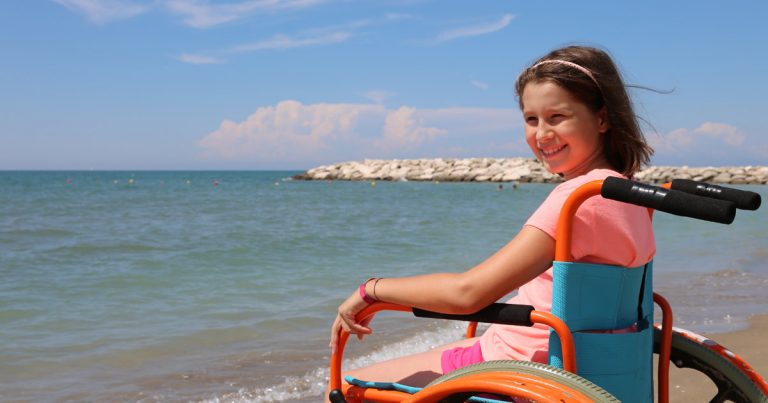
Choosing the Right Camp for a Child with a Physical Disability
How to evaluate camps based on physical access, transfers, personal care, and adaptive programming, and how the decision shifts across the major physical disability categories.
Learn More
Choosing the Right Camp for a Child with Diabetes
How to choose between a dedicated diabetes camp and another camp that can support diabetes, what each option offers, and questions to ask before enrolling.
Learn MoreEvaluation dimensions:
Staff Ratios and Staffing at Camp: Seven Questions to Ask
What staff ratios actually mean, what questions reveal the ground truth, and how to read a director’s answer.
Learn More
Allergies, Camper Health, and Foodservice at Camp
Allergen management, special diets, hydration planning, and dining staff qualifications.
Learn More
Managing Medications at Special Needs Camp
What qualified camps provide, what to ask before enrolling, and how to prepare medical documentation.
Learn MoreSpecial Needs Camp Life and Preparation
What comes after enrollment: how to prepare a child for the transition, what the daily structure of a special needs camp session typically looks like, and how families can support their child through the experience from a distance. Families who are already enrolled and preparing for an upcoming session should start here.
Understanding the camp day:

What to Expect at Special Needs Camp: How the Day Is Structured
How the camp day is organized across program types, from morning routine to evening wind-down.
Learn MorePreparing for the session:

Tips for Preparing Your Child for Overnight Camp
What to communicate to the program, what to do before drop-off, and what to avoid.
Learn More
Day vs. Overnight Camp: Choosing the Right Format
How the two formats differ in what they ask of a child, and how that shapes preparation.
Learn MoreDuring the session:

Managing Homesickness at Camp
How homesickness presents differently in children with disabilities, and how families should respond.
Learn MoreProgram design and camp life:

Mindfulness at Camp: Supporting Your Child’s Growth
How intentional mindfulness programming supports social and emotional growth at camp.
Learn More
The Importance of Structure for the Twice-Exceptional Mind
Seven strategies for supporting twice-exceptional youth through intentional program design.
Learn MoreSpecial Needs Camp Types and Programs
Disability-specific program models, the range of formats available, and what distinguishes programs designed specifically for a given population from those that offer general inclusion. This guide is useful both for families comparing program types before enrolling and for staff seeking context on how different camp models operate.
Therapeutic and clinical program types:

Autism Spectrum Disorder Camps
How ASD camps vary in therapeutic intensity, staffing, sensory environment, and communication support.
Learn More
Transition Programs at Special Needs Camps
Outcome-focused programs for young adults building vocational, social, and independent living skills.
Learn More
Therapeutic Riding at Special Needs Camps
What distinguishes therapeutic riding from recreational riding, including PATH certification.
Learn More
Grief Camps: Helping Children Heal Through Community and Play
What bereavement camps offer children who have experienced loss, and how to find one.
Learn MoreFacilities and organizational use:
Camp Rental Facilities for Special Needs Groups
How organizations and family groups use camp facilities outside the primary summer season.
Learn MoreWorking at a Special Needs Camp
What the work involves across the range of staff roles, from direct support to program coordination. It addresses training expectations, what hiring directors look for, and how working in this field differs from general camp employment. People considering their first position and those looking to move into a more senior role will both find relevant material here.
Understanding the work:
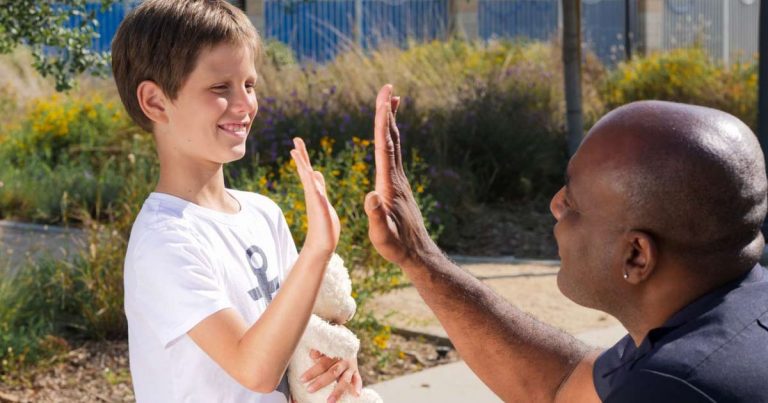
What It Means to Work at a Special Needs Camp
What the work involves, what qualities it draws on, and who it is right for.
Learn MoreRoles and preparation:

Roles at Special Needs Camps: Position Types and What Each Involves
Positions from entry-level direct support through clinical and supervisory roles, with credential requirements.
Learn More
Staff Training at Special Needs Camps
What pre-season and in-season training covers, and which certifications are common.
Learn MoreCompensation:
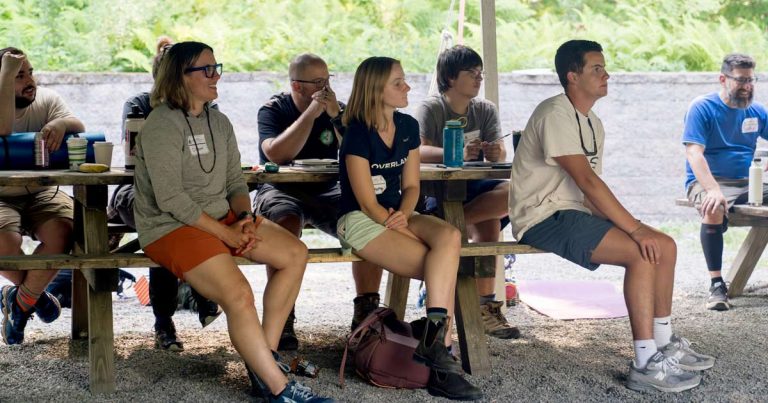
Compensation and Benefits at Special Needs Camps
Wage ranges by role, room and board, certifications as benefits, and how to evaluate an offer.
Learn MoreFinding and applying:
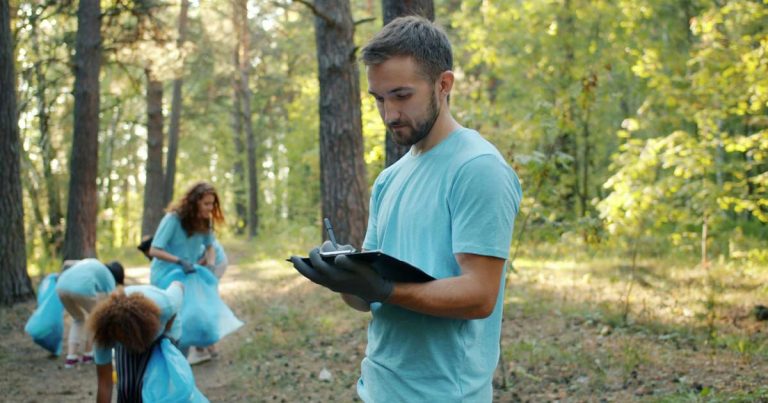
How to Find and Apply for Special Needs Camp Jobs
Where listings are posted, how to evaluate a program, and what to expect from hiring.
Learn MoreFind Programs in the VerySpecialCamps.com Directory
The VerySpecialCamps.com directory organizes programs by the population or need they serve and allows filtering by state, format, and program type. Each listing includes a focus level designation: a Primary Focus designation means the program is specifically built around that population; a General Support designation means the population is served but is not the program’s central design priority. The guides and directory work in sequence: use the guides to understand what to look for, then use the directory to find and compare specific programs.
Frequently Asked Questions
What guides are available on VerySpecialCamps.com?
Four guides are currently available: Choosing a Special Needs Camp, Special Needs Camp Life and Preparation, Special Needs Camp Types and Programs, and Working at a Special Needs Camp. Each guide is a hub with supporting articles covering specific topics within that subject area.
Where should I start if I am looking for a camp for my child?
Start with the Choosing a Special Needs Camp guide. It covers how to evaluate programs, what to ask directors, and how to think through session length and program fit for a child with a specific disability or support need. If you are already enrolled and preparing for an upcoming session, go directly to the Special Needs Camp Life and Preparation guide.
How does the VSC directory relate to these guides?
The guides explain what to look for and how to evaluate options. The directory is where you search for specific programs. The two are designed to work in sequence: read the relevant guide first, then use the directory to find and compare programs that match what you have learned.
Are these guides written for families or for camp professionals?
Both. The Choosing a Special Needs Camp guide and the Special Needs Camp Life and Preparation guide are written primarily for families. The Working at a Special Needs Camp guide is written for people considering or currently working in the field. The Special Needs Camp Types and Programs guide is useful to both audiences.
Are the guides equally relevant for families and staff?
No, and that is intentional. Families have the most material here because the choosing and preparation decisions involved in placing a child with a disability in a camp program are complex and high-stakes. Staff have a dedicated guide covering roles, training, and hiring, and will also find the Types and Programs guide useful for understanding the program context they work within.
The goal of these guides is to help families and professionals ask better questions and make more informed decisions about special needs camps. Because every camp differs in its programs, staffing, policies, and capabilities, always confirm the details that matter most to your situation directly with the camp. When decisions involve an individual's medical, educational, behavioral, or legal needs, consult the appropriate professionals.
Search Special Needs Camp Guides


